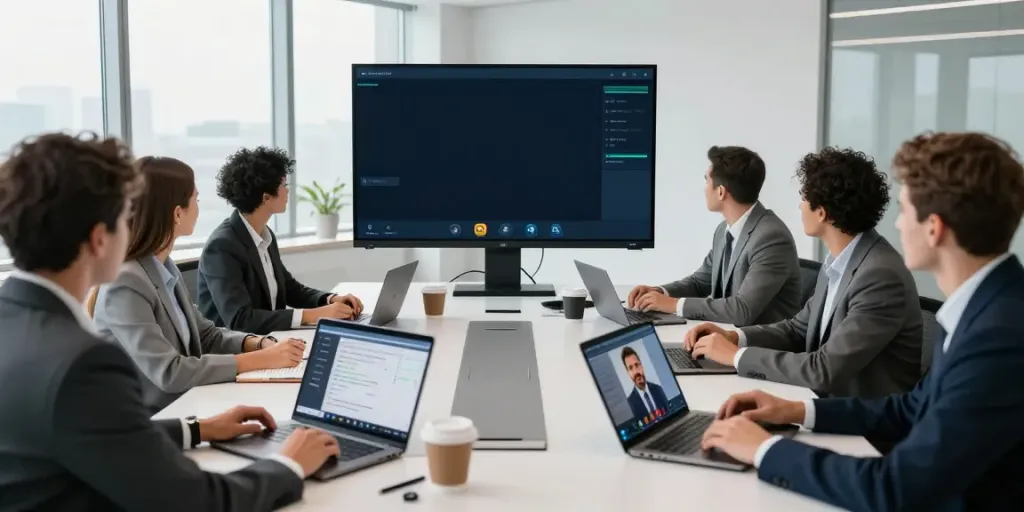
Understanding Deepfake Technology in Meetings
As we move further into the digital age, technology continues to reshape the way we communicate and conduct meetings. One of the most significant developments in this regard is the rise of deepfake technology. Although often associated with misleading media, this technology has profound implications for virtual meetings, especially concerning security and authenticity. Understanding the complexities of Deepfake protected meetings is essential for organizations that value trust and confidentiality in their interactions.
What Are Deepfake Protected Meetings?
Deepfake protected meetings are virtual gatherings that utilize advanced technologies to ensure participants' identities and content authenticity. The rise of deepfake technology has led to an increase in concerns regarding impersonation and misinformation during online communications. In these protected meetings, organizations deploy verification tools and protocols to confirm that all participants are genuine and their shared content is legitimate.
How Deepfake Technology Works
Deepfake technology leverages artificial intelligence and machine learning algorithms to create highly realistic representations of individuals. By using vast datasets of images and video footage, these algorithms can generate manipulated content that presents a person as saying or doing something they did not actually say or do. While this technology can be used for creative purposes, its potential for malicious use is significant, making its regulation and counter-technologies crucial in a business context.
Common Misconceptions About Deepfakes
Many individuals equate deepfakes with outright deception, but the reality is more nuanced. Here are some common misconceptions:
- All deepfakes are malicious: Not all deepfakes are intended to deceive. Many are created for entertainment or artistic purposes.
- Detection is impossible: While deepfakes can be sophisticated, emerging technologies are rapidly improving detection rates.
- Deepfakes only affect celebrities: The potential impact of deepfakes extends far beyond public figures, affecting personal and corporate security.
Importance of Security in Virtual Meetings
Securing virtual meetings has never been more critical, as remote work and digital communication become the norm. With increased reliance on online platforms, the risks associated with digital communication grow exponentially, necessitating effective protective measures against deepfake threats.
Risks Involved with Digital Communication
Digital communication, while convenient, comes with various risks that can impact an organization's reputation and operational integrity. Some of these risks include:
- Identity Theft: With the ability to impersonate individuals through deepfakes, organizations face heightened risks of identity theft.
- Data Breaches: Vulnerabilities in digital platforms can lead to unauthorized access to sensitive information during meetings.
- Loss of Trust: If deepfakes are used to manipulate conversations, trust in digital communications can diminish significantly.
The Role of Deepfake Protection
Deepfake protection plays a crucial role in safeguarding the integrity of virtual meetings. It involves implementing various strategies and technologies to ensure that all participants are who they claim to be and that shared content is authentic. This may include biometric verification, real-time content analysis, and the use of blockchain for secure storage of meeting information.
Best Practices for Secure Meetings
To mitigate the risks associated with virtual meetings and enhance security, organizations should adopt the following best practices:
- Utilize Secure Platforms: Choose meeting platforms that offer end-to-end encryption and robust security measures.
- Implement Multi-Factor Authentication: Require multi-factor authentication to verify participant identities before granting access to meetings.
- Conduct Regular Security Training: Educate employees on the risks of deepfakes and the importance of verifying identities before sharing sensitive information.
Implementing Deepfake Protection
Protecting meetings against deepfake technology requires a proactive approach. Organizations must invest in the right tools, training, and protocols to safeguard their communications effectively.
Tools and Software for Verification
Various tools and software solutions are available for organizations looking to enhance their deepfake protection measures. Some notable options include:
- Biometric Authentication Tools: These include facial recognition and voice authentication systems that verify the identity of meeting participants.
- Deepfake Detection Software: Innovative applications using AI-driven algorithms are designed to analyze video and audio content for signs of manipulation.
- Blockchain Technology: Utilizing blockchain can help ensure the authenticity and integrity of meeting data by providing a tamper-proof record.
Steps to Secure Your Meetings
To effectively implement deepfake protection, organizations can follow these essential steps:
- Conduct a security audit of existing meeting protocols.
- Invest in appropriate deepfake detection tools and training.
- Establish a clear policy for verifying identities and shared content.
- Regularly update security measures based on emerging threats.
Real-World Success Stories
Several organizations have successfully implemented deepfake protection measures, leading to enhanced security during virtual meetings. For instance, a multinational corporation adopted a combination of biometric authentication and real-time video analysis to ensure that all participants in their executive meetings were verified. As a result, they reported a significant decrease in unauthorized access attempts and enhanced trust among stakeholders.
Future Trends in Meeting Security
The landscape of meeting security is continually evolving as new threats emerge and technology advances. Staying informed about these trends is essential for organizations committed to securing their communications.
Emerging Technologies for Deepfake Detection
As deepfake technology becomes more sophisticated, the tools designed to detect them are also evolving. Future trends may include:
- Enhanced AI Algorithms: Advanced machine learning models will improve the detection rate of manipulated content.
- Integrated Systems: Comprehensive solutions that combine various security measures will become more common in corporate settings.
- Decentralized Verification Networks: Blockchain-based systems may provide decentralized verification methods that enhance security during virtual meetings.
Predictions for 2026 and Beyond
As we look toward 2026, experts anticipate that the following changes will shape the future of virtual meeting security:
- Standardization of Security Protocols: Industries may adopt standardized practices for deepfake protection, ensuring consistency across different platforms.
- Increased Regulatory Oversight: Governments and regulatory bodies are likely to impose stricter guidelines on the use of deepfake technology in communications.
- Widespread Adoption of AI Tools: AI-driven solutions for identity verification and content validation will become standard in corporate environments.
Preparing for Evolving Threats
Organizations must remain vigilant and agile in their approach to deepfake threats. Key preparation strategies include:
- Ongoing Training: Provide employees with continuous training on the latest threats and protective measures.
- Regular Threat Assessments: Conduct frequent evaluations of the organization’s security posture and adapt as necessary.
- Community Engagement: Collaborate with other organizations and cybersecurity experts to share insights and strategies for dealing with deepfake technology.
FAQs About Deepfake Protection in Meetings
What are deepfake protected meetings?
Deepfake protected meetings refer to virtual gatherings that use advanced technologies to verify participant identities and ensure the authenticity of shared content, preventing the risks associated with deepfake manipulation.
How does deepfake protection work?
Deepfake protection works by implementing a combination of biometric verification, AI-driven detection tools, and stringent security protocols to ensure that all participants and content are authentic.
Why is security important in virtual meetings?
Security is crucial in virtual meetings to protect sensitive information, maintain trust among participants, and prevent identity theft and unauthorized access.
What tools can help secure meetings against deepfakes?
Tools such as biometric authentication systems, deepfake detection software, and blockchain technology can significantly enhance security in virtual meetings.
What should I do if a deepfake is detected during a meeting?
If a deepfake is detected during a meeting, immediately halt the meeting, verify the identities of all participants through alternate means, and consult IT security professionals to investigate further.