
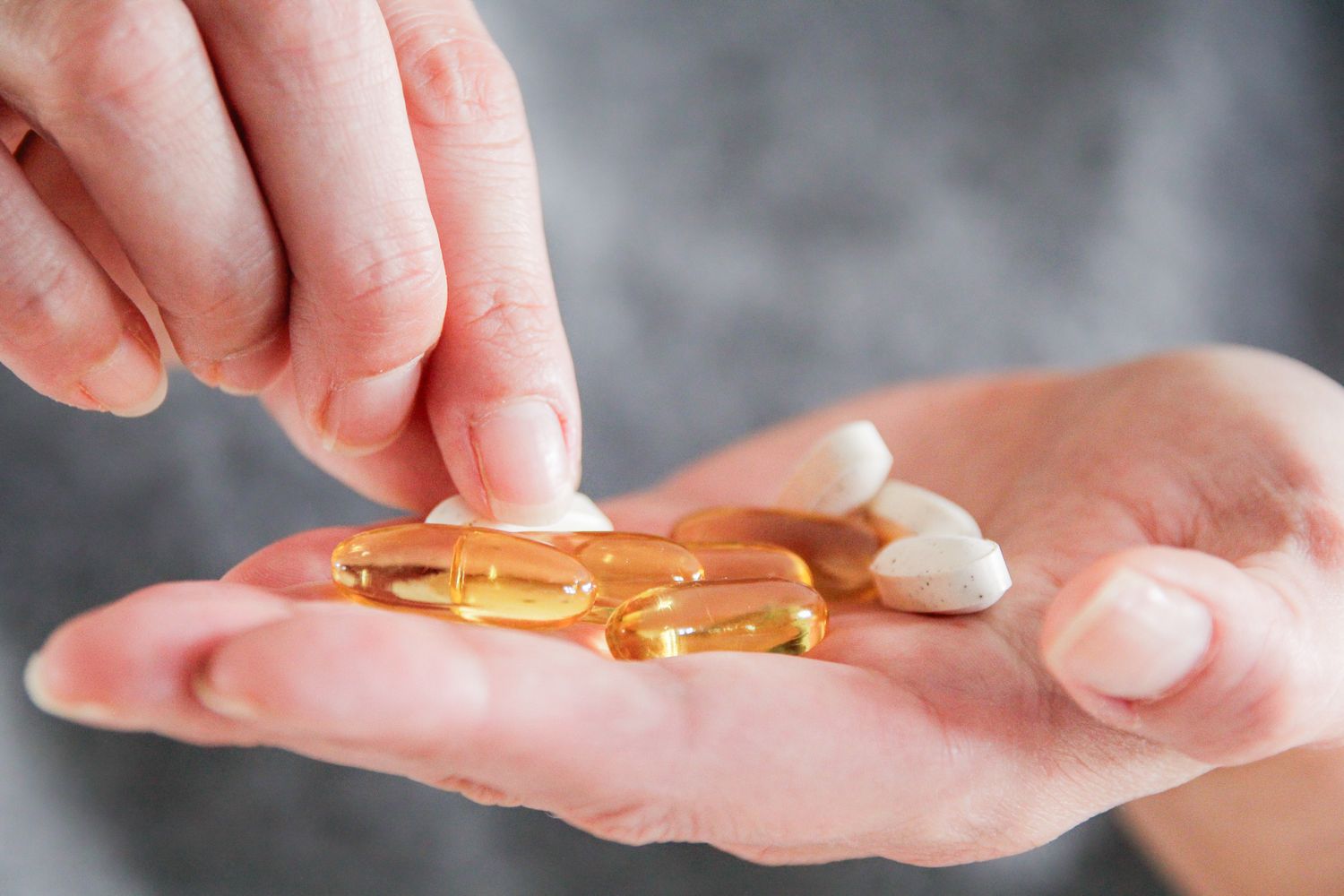
Modern life often creates pressure that affects sleep quality, emotional balance, and the ability to relax fully. As more people search for supportive wellness approaches, interest in the best magnesium for anxiety continues to increase. At Calm Minds Hub, we provide practical wellness education to help readers better understand the connection between nutrition and emotional well-being. Calm Minds Hub encourages sustainable lifestyle habits, and Calm Minds Hub believes informed decisions can support long-term mental wellness and everyday calm.
Magnesium is an essential mineral involved in hundreds of biological processes that influence nerve function, muscle relaxation, stress response, and recovery. Because emotional wellness and physical health are closely connected, magnesium supplements are increasingly explored by people seeking natural support for relaxation and peace of mind.
Why Magnesium Is Important for Anxiety and Relaxation
Magnesium supports several functions that help the body maintain internal balance. It contributes to healthy nervous system communication and plays a role in muscle relaxation and stress regulation.
The growing conversation around the best magnesium for anxiety is linked to magnesium’s involvement in maintaining healthy neurological responses and supporting the body during periods of everyday stress.
Understanding the Nervous System Connection
The nervous system responds continuously to environmental and emotional demands. Magnesium contributes to balanced nerve activity and supports normal communication between brain and body.
Healthy magnesium intake may help encourage relaxation and improve the body's ability to recover from daily tension.
Magnesium and Emotional Wellness
Emotional well-being is influenced by multiple lifestyle factors including sleep, nutrition, movement, and stress management.
Many individuals researching the best magnesium for anxiety are interested in supporting broader goals related to calmness, rest, and emotional balance.
Understanding Different Types of Magnesium Supplements
Not all magnesium supplements work in exactly the same way. Different forms are often selected depending on wellness priorities.
Magnesium Glycinate
Magnesium glycinate is frequently discussed among people focused on relaxation and nighttime support. This form combines magnesium with glycine, which is commonly associated with calming characteristics.
Many individuals searching for the best magnesium for anxiety choose this option because of its reputation for gentle absorption and evening use.
Magnesium Citrate
Magnesium citrate is often selected for general magnesium support and nutritional balance.
Its popularity makes it one of the commonly researched options in supplement discussions.
Magnesium Threonate
Magnesium threonate is frequently explored for its relationship with neurological wellness and mental performance.
People interested in supporting focus and cognitive function sometimes include this option in their comparison process.
Magnesium Taurate
Magnesium taurate combines magnesium with taurine and is often discussed in wellness conversations related to calmness and nervous system support.
For some individuals, this becomes another consideration when evaluating the best magnesium for anxiety.
How to Identify the Best Magnesium for Anxiety
Choosing a supplement should involve more than selecting the most popular label.
Review Supplement Transparency
Look for clearly listed ingredients, serving sizes, and magnesium form details.
Understanding what a supplement contains helps support informed decisions.
Match the Supplement to Your Goal
Individuals seeking sleep support may prioritize different forms than those focused on daytime relaxation.
Clarifying personal wellness goals often simplifies supplement selection.
Focus on Consistency
Long-term habits generally contribute more than occasional supplement use.
At Calm Minds Hub, we encourage readers to approach wellness with realistic expectations and balanced routines.
Best Magnesium for Anxiety Supplements for Better Sleep
Sleep quality and emotional well-being are closely connected. Restful sleep may help support resilience and improve overall daily function.
Magnesium Glycinate for Evening Calm
This form is commonly selected by people interested in nighttime relaxation and improved sleep routines.
Because sleep plays an important role in emotional recovery, magnesium glycinate is frequently included in discussions about the best magnesium for anxiety.
Magnesium Threonate for Mental Recovery
People who prioritize cognitive wellness alongside sleep support may consider magnesium threonate.
Its growing popularity reflects increasing interest in comprehensive wellness approaches.
Combining Nutrition With Sleep Habits
Magnesium may work more effectively when paired with healthy evening routines and consistent rest schedules.
Foods That Naturally Support Magnesium Intake
Supplements are only one part of maintaining balanced magnesium levels.
Leafy Green Vegetables
Spinach, kale, and similar vegetables provide magnesium together with beneficial nutrients.
Nuts and Seeds
Pumpkin seeds, almonds, and cashews are commonly recognized for magnesium content.
Whole Grains
Whole grains contribute minerals and support balanced nutrition.
Legumes
Beans and lentils offer magnesium while supporting broader dietary goals.
People researching the best magnesium for anxiety often combine supplement use with nutrient-rich food choices.
Lifestyle Habits That Support Peace of Mind
Relaxation is influenced by more than nutritional intake alone.
Establish Consistent Sleep Patterns
Regular sleep schedules support recovery and emotional balance.
Reduce Daily Overstimulation
Managing screen time and creating quiet periods may encourage greater calmness.
Practice Mindful Relaxation
Breathing techniques, stretching, and quiet reflection may complement wellness routines.
At Calm Minds Hub, we emphasize combining supportive habits with thoughtful nutrition.
Common Mistakes People Make With Magnesium Supplements
Some supplement habits may reduce consistency and long-term satisfaction.
Expecting Immediate Results
Wellness routines generally require time and consistency.
Ignoring Overall Nutrition
Supplements work best alongside balanced dietary patterns.
Choosing Based Only on Trends
Selecting the best magnesium for anxiety should involve understanding personal goals rather than following popularity.
At Calm Minds Hub, educational content encourages readers to evaluate options carefully and build sustainable habits.
Long-Term Benefits of Supporting Relaxation Naturally
Natural relaxation often develops from small daily practices that work together over time. Magnesium support, healthy sleep habits, balanced nutrition, and consistent stress management may contribute to improved well-being.
Interest in the best magnesium for anxiety continues to expand because people increasingly seek practical approaches to support emotional balance and inner calm. By combining informed choices with realistic wellness routines, individuals can create a stronger foundation for lasting peace of mind.
Frequently Asked Questions
1. What is commonly considered the best magnesium for anxiety?
Magnesium glycinate is frequently discussed because of its connection to relaxation and sleep support.
2. Can magnesium help support better sleep?
Magnesium contributes to relaxation processes that may support healthier sleep habits.
3. Is magnesium suitable for everyday wellness routines?
Many individuals include magnesium as part of broader nutritional support strategies.
4. How long does magnesium take to support relaxation?
Results vary depending on routine consistency, lifestyle, and individual needs.
5. Can magnesium replace professional anxiety care?
No. Magnesium supplements should be viewed as supportive wellness tools and not replacements for professional medical advice.