Understanding Contract Manufacturing Services
Definition and Importance
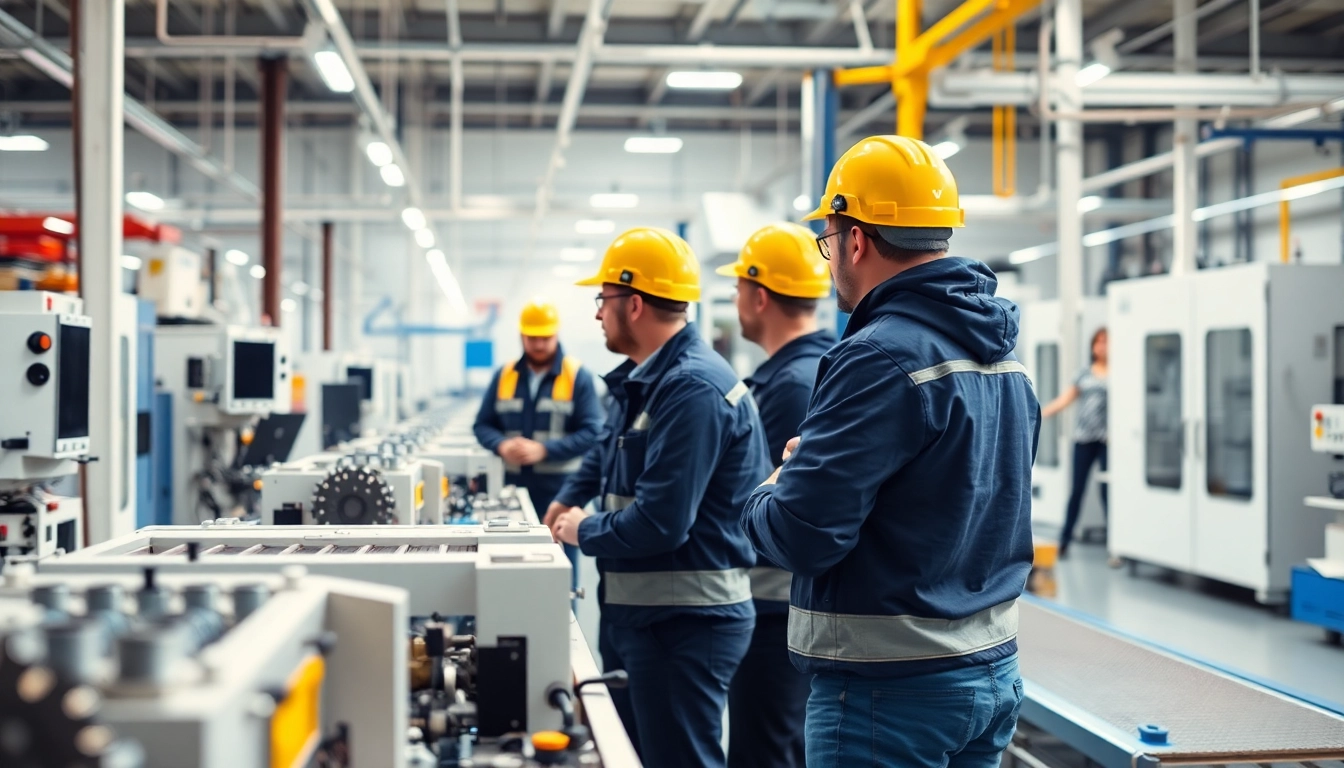
Contract manufacturing services refer to the outsourcing of the production of goods to specialized manufacturers who operate under a contractual agreement with companies seeking to have products made. Through these agreements, companies, often known as original equipment manufacturers (OEMs), can produce high-quality products without the need to invest heavily in manufacturing infrastructure. This approach allows businesses to focus on their core competencies while harnessing the expertise and resources of established manufacturers.
Embracing Contract Manufacturing Services fundamentally changes the dynamics within industries, leading to increased competitiveness, reduced operational costs, and faster market entry. By eliminating the burdens of production logistics, companies can innovate more freely and channel resources toward activities such as marketing and product development.
Key Players and Stakeholders
The landscape of contract manufacturing is populated by various stakeholders, each playing a critical role in the overall process. The primary players include the outsourcing company (the OEM), the contract manufacturer, and the end consumers. The OEM is responsible for product design and market positioning, while the contract manufacturer executes the manufacturing processes.
Additionally, suppliers of raw materials and components, logistics partners responsible for distribution, and regulatory bodies ensuring compliance with industry standards are also vital stakeholders. These relationships must be managed expertly to ensure that quality and efficiency are maintained throughout the contract manufacturing cycle.
Benefits of Contract Manufacturing Services
Leveraging contract manufacturing services offers numerous benefits, including:
- Cost Reduction: By outsourcing production, companies can avoid capital expenditure on equipment and facilities, thus freeing up investment for other crucial areas.
- Scalability: Contract manufacturers can adjust their capacity based on demand fluctuations, providing flexibility for businesses.
- Access to Expertise: Collaborating with experienced manufacturers grants access to advanced technologies and industry best practices, ensuring superior product quality.
- Focus on Core Competencies: Companies can devote more attention to their business model, innovation, and customer needs while leaving the complexities of manufacturing to specialists.
- Reduced Time to Market: With established production processes, products can be manufactured more rapidly, allowing for quicker entry into the market.
Types of Contract Manufacturing Services
Production Process Overview
Understanding the production process within contract manufacturing is crucial for both OEMs and manufacturers. The typical production process includes stages like prototyping, testing, production, and quality assurance. Contract manufacturers often utilize efficient workflows tailored to minimize waste and accelerate time-to-market.
Each step adheres to strict quality control protocols aimed at ensuring that the final product meets the specifications provided by the OEM. This not only enhances product reliability but also strengthens the brand's reputation in the marketplace.
Product Design and Development
Product design and development is often a collaborative effort between the OEM and the contract manufacturer. Many manufacturers provide design services, leveraging their technical expertise to enhance product functionality and manufacturability. This can involve optimizing designs for cost-efficient production without sacrificing quality.
Key factors during this stage include evaluating materials, assessing production methods, and considering the end-user experience. By employing iterative design processes, potential issues can be identified and addressed early, resulting in a higher-quality product at launch.
Packaging and Logistics
Packaging plays a vital role in the success of a product, encompassing both protective and marketing functions. Contract manufacturers often provide integrated packaging solutions that align with the brand's identity and ensure product integrity during transport. Efficient logistics management supports timely delivery and minimizes disruptions in the supply chain.
Collaborating with experienced logistics partners can also enhance supply chain transparency, allowing OEMs to track shipments and manage inventory more effectively. This creates a streamlined process that fosters customer satisfaction and repeat business.
Choosing the Right Partner
Criteria for Selection
Selecting the appropriate contract manufacturer is crucial for achieving desired outcomes. Key criteria for selection include:
- Industry Experience: A manufacturer with relevant industry experience is more likely to understand specific regulatory requirements and production standards.
- Quality Assurance Processes: Inquire about their quality control measures to ensure they meet industry standards.
- Technological Capabilities: Assess whether the manufacturer employs the latest technology and methodologies to enhance production efficiency.
- Production Capacity: Ensure the manufacturer can meet your production volumes, both for initial runs and future scaling.
- Geographic Location: Proximity to the manufacturer can reduce shipping times and costs.
Evaluating Manufacturer Capabilities
A thorough evaluation of a potential partner's capabilities is essential. Consider conducting site visits to observe current projects, quality checks, and technological equipment in action. Additionally, review certifications and industry approvals that validate their standards.
Requesting samples of similar products can reveal insights into the manufacturer's output quality and attention to detail. Furthermore, customer testimonials and case studies can provide valuable context regarding the manufacturer’s performance and reliability.
Questions to Ask Potential Partners
Effective communication can facilitate a fruitful partnership. Essential questions to pose to potential manufacturers include:
- What are your lead times for production and delivery?
- Can you provide references from current or past clients?
- How do you handle quality control and assurance during production?
- What are your capabilities for scaling production based on demand?
- How do you manage supply chain disruptions, if they arise?
Challenges in Contract Manufacturing Services
Quality Control Issues
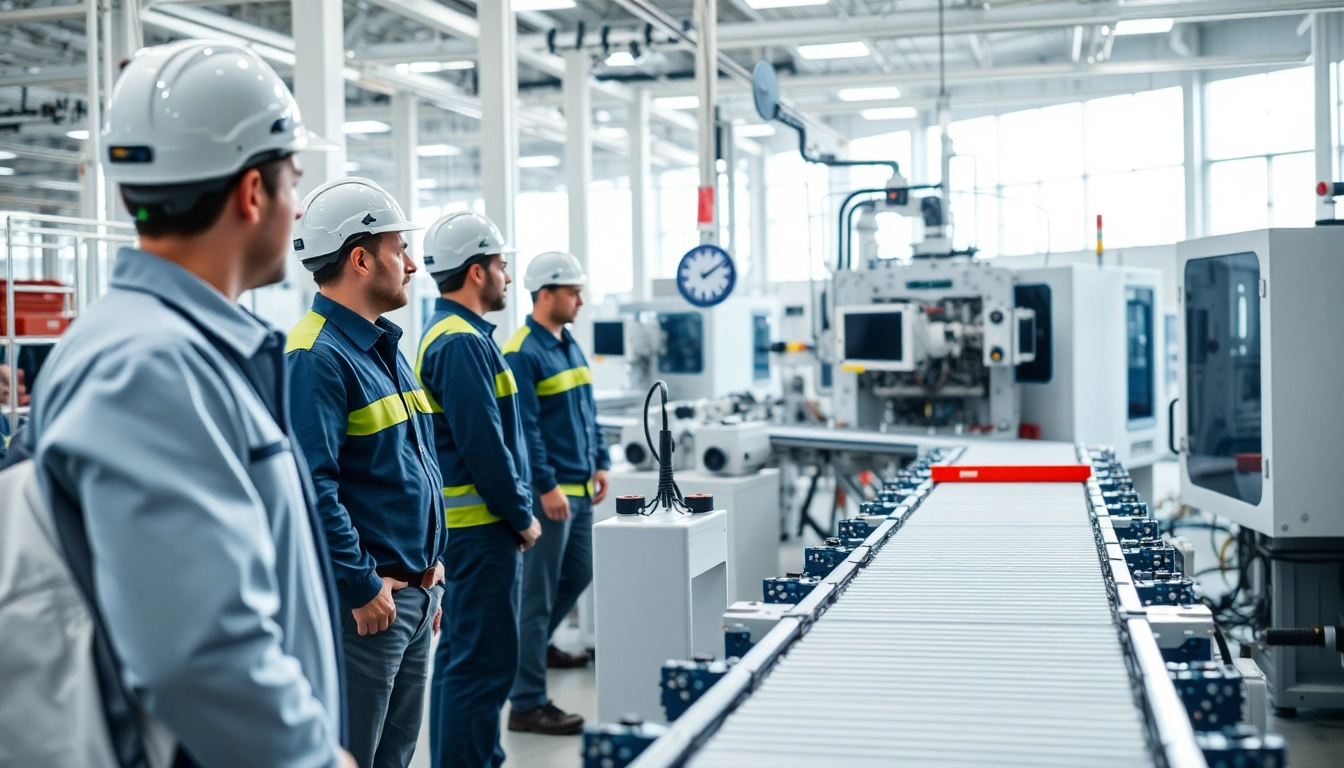
Maintaining consistent quality can be one of the biggest challenges in contract manufacturing. Quality assurance must be continuously monitored throughout the production process. Establishing clear protocols and performance metrics is paramount to uphold product standards.
Engagement between the OEM and the contract manufacturer should focus on transparent communication regarding quality expectations. Regular audits and feedback loops contribute significantly to ongoing improvements.
Intellectual Property Concerns
Outsourcing manufacturing activities can raise concerns around intellectual property (IP) protection. Businesses must take proactive steps to safeguard their proprietary information through comprehensive contractual agreements that outline responsibilities and protections.
Implementing non-disclosure agreements (NDAs) and conducting due diligence on manufacturers' IP management history can further mitigate risks. Ensuring strict adherence to confidentiality throughout the production process is vital.
Communication and Coordination
Effective communication is crucial for successful contract manufacturing partnerships. Misunderstandings between the OEM and the manufacturer can lead to delays, quality issues, or production inefficiencies. Establishing a clear communication framework can help enhance collaboration and coordination.
Regular meetings, progress updates, and utilizing project management tools can streamline interactions. Building a culture of open dialogue is essential for addressing any challenges promptly and maintaining a healthy partnership.
Future Trends in Contract Manufacturing Services
Technology Integration
As industries evolve, technology will continue to revolutionize contract manufacturing services. Advanced manufacturing technologies, such as automation, artificial intelligence, and the Internet of Things (IoT), are being integrated into production lines to enhance efficiency and accuracy.
Companies that embrace these technologies are more likely to remain competitive by improving turnaround times, minimizing waste, and elevating product quality. Moreover, predictive analytics can inform better forecasting and demand planning.
Sustainability Practices
Growing environmental awareness is pushing companies to adopt sustainable manufacturing practices. Eco-friendly materials, energy-efficient production techniques, and waste reduction strategies are becoming increasingly important in contract manufacturing.
Choosing a contract manufacturer committed to sustainability can enhance a company’s corporate responsibility profile. As consumers increasingly favor sustainable brands, these practices can significantly boost market appeal.
Market Demand Projections
Market demand for contract manufacturing services is expected to grow as more businesses look to outsource production to tap into specialized capabilities. In particular, rapid growth is anticipated in sectors such as pharmaceuticals, consumer electronics, and food and beverage.
Businesses must stay ahead of trends to anticipate future demands and align their strategies accordingly. Collaborating with forward-thinking contract manufacturers that understand these trends will be essential in navigating this shifting landscape.
FAQs:
1. What are contract manufacturing services?
Contract manufacturing services involve outsourcing production to third-party manufacturers who create goods for another company under its brand.
2. How can I find reliable contract manufacturing services?
Research potential partners, look for industry certifications, read reviews, and schedule interviews to assess capabilities.
3. What industries commonly use contract manufacturing services?
Contract manufacturing is prevalent in sectors like electronics, food and beverage, pharmaceuticals, and consumer goods.
4. What are the risks associated with contract manufacturing services?
Risks include quality control issues, communication barriers, and potential loss of intellectual property without proper agreements.
5. How do contract manufacturers ensure product quality?
Contract manufacturers maintain quality through rigorous testing, adherence to standards, and continuous process improvement measures.