
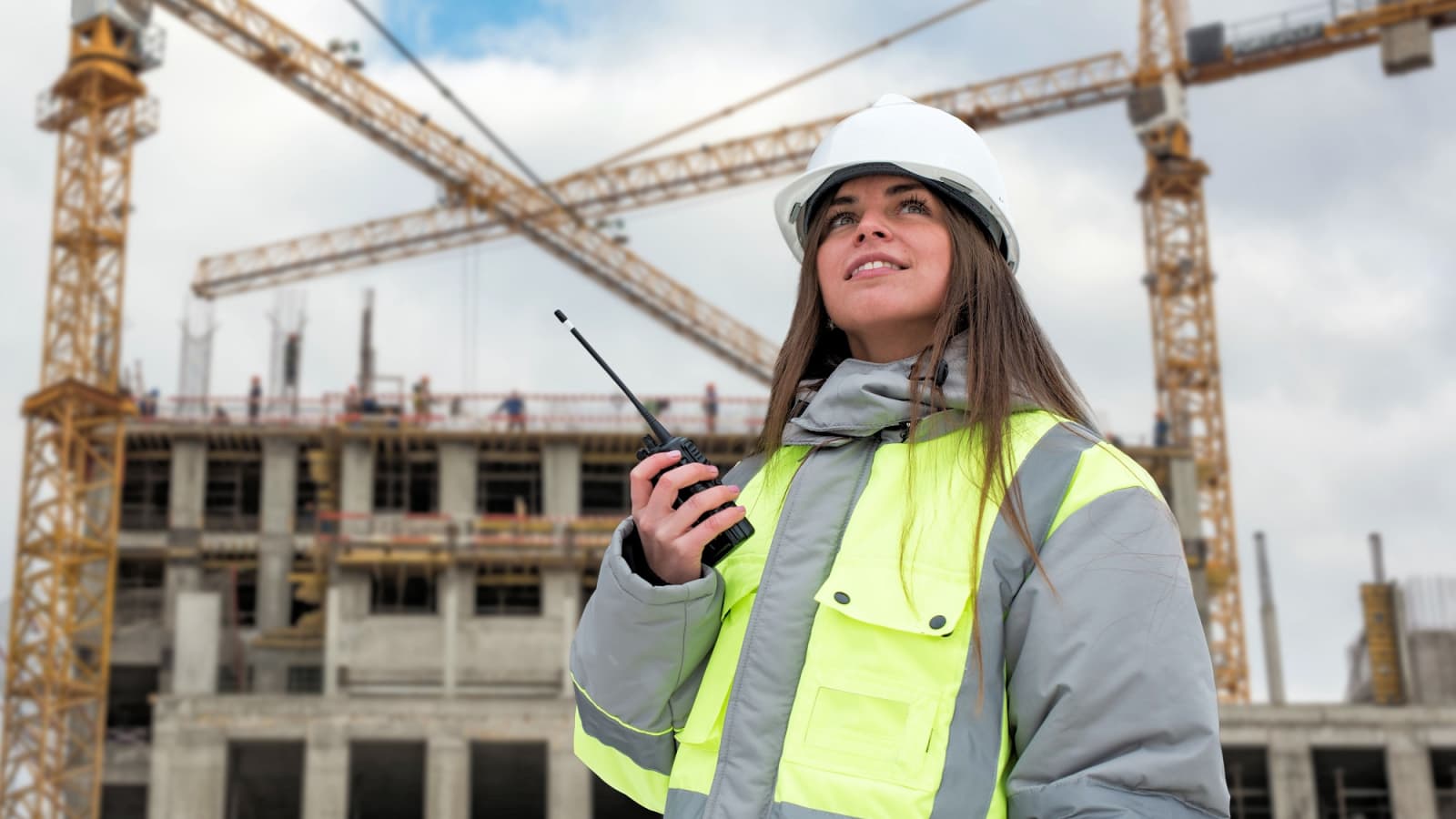
Understanding Construction Safety Compliance Hawaii
Construction safety compliance hawaii refers to the structured system of laws, regulations, training requirements, and operational standards that govern how construction activities are carried out safely across the Hawaiian islands. It is a framework designed to protect workers, ensure regulatory alignment, and maintain consistent safety practices across all job sites regardless of project size or complexity.
Within ABC Hawaii’s mission, construction safety compliance hawaii is not treated as a minimum legal obligation alone but as a foundational element of professional construction practice. It integrates OSHA standards, state requirements, and industry best practices into a unified approach that strengthens both worker protection and project efficiency.
Construction safety compliance hawaii is especially important due to Hawaii’s unique construction environment, where geographic isolation, weather variability, and logistical challenges can increase risk levels if safety systems are not properly implemented.
Why compliance matters in the construction industry
Compliance in construction safety compliance hawaii ensures that every worker operates under clearly defined safety expectations. These standards reduce ambiguity on job sites and create consistent procedures for handling hazards, equipment, and emergency situations.
ABC Hawaii emphasizes that construction safety compliance hawaii is not only about avoiding penalties but about building a disciplined safety culture where every action is guided by proven safety protocols.
Core elements of construction safety compliance Hawaii
Construction safety compliance hawaii is built on several core elements that work together to create a complete safety system. These elements include regulatory adherence, training requirements, hazard management, and continuous monitoring of job site conditions.
Each element plays a role in ensuring that construction safety compliance hawaii is applied consistently across all phases of construction, from planning to project completion.
Regulatory frameworks and OSHA alignment
A major component of construction safety compliance hawaii is adherence to OSHA regulations. These federal standards provide baseline safety requirements for construction activities, including fall protection, excavation safety, electrical safety, and equipment operation.
In Hawaii, construction safety compliance hawaii also includes alignment with local regulations that address environmental conditions and regional safety considerations. This dual-layer approach ensures comprehensive protection for workers and job sites.
Site-specific safety planning
Construction safety compliance hawaii requires that each project develop a site-specific safety plan tailored to its unique risks and conditions. These plans identify hazards, define control measures, and establish emergency response procedures.
ABC Hawaii promotes structured planning as a key part of construction safety compliance hawaii, ensuring that safety measures are not generic but customized to real-world project demands.
Training as the foundation of construction safety compliance Hawaii
Training plays a critical role in maintaining construction safety compliance hawaii. Without proper education, even well-designed safety systems cannot function effectively on active job sites.
ABC Hawaii offers structured training programs that support construction safety compliance hawaii through both online and in-person learning formats, making safety education accessible to all workforce levels.
OSHA compliance training programs
OSHA-based training is a core requirement within construction safety compliance hawaii. These programs ensure that workers understand essential safety rules, hazard recognition techniques, and proper use of protective equipment.
Through these programs, construction safety compliance hawaii becomes practical and actionable, allowing workers to apply safety standards directly in their daily tasks.
Advanced safety and emergency response training
Beyond basic compliance, construction safety compliance hawaii also includes advanced training focused on emergency response and critical incident management.
These programs prepare workers to respond to unexpected situations such as structural failures, fires, or medical emergencies, strengthening the overall resilience of construction safety compliance hawaii systems.
Job site implementation of construction safety compliance Hawaii
Effective implementation is essential for construction safety compliance hawaii to succeed in real-world conditions. This requires consistent supervision, clear communication, and strict enforcement of safety protocols across all job sites.
ABC Hawaii emphasizes that construction safety compliance hawaii must be actively practiced every day, not only documented in safety manuals.
Daily inspections and hazard monitoring
Regular inspections are a key part of maintaining construction safety compliance hawaii. Supervisors are responsible for identifying hazards, verifying equipment safety, and ensuring adherence to established protocols.
These inspections allow construction safety compliance hawaii to function as a proactive system that prevents incidents before they occur.
Use of protective equipment and safety controls
Personal protective equipment is a mandatory requirement under construction safety compliance hawaii. Workers must use appropriate gear based on their tasks, including helmets, gloves, eye protection, and fall arrest systems.
Proper use and maintenance of PPE ensures that construction safety compliance hawaii standards are consistently upheld across all job sites.
Leadership responsibility in construction safety compliance Hawaii
Leadership plays a central role in enforcing construction safety compliance hawaii. Project managers, supervisors, and site leaders are responsible for setting expectations and ensuring that safety standards are followed consistently.
Without strong leadership involvement, construction safety compliance hawaii systems can become inconsistent and less effective over time.
Communication and safety enforcement
Clear communication is essential for maintaining construction safety compliance hawaii. Safety expectations must be communicated in a way that is understandable to all workers, regardless of their role or experience level.
Enforcement ensures that construction safety compliance hawaii standards are applied consistently, helping to maintain accountability across all teams.
Building accountability across teams
Accountability is a critical component of construction safety compliance hawaii. Every worker is responsible for following safety protocols and reporting unsafe conditions.
ABC Hawaii reinforces that construction safety compliance hawaii is most effective when accountability is shared at every level of the organization.
Technology and innovation in construction safety compliance Hawaii
Modern construction safety compliance hawaii practices increasingly rely on technology to improve monitoring, reporting, and risk management. Digital tools help enhance accuracy and improve response times in dynamic job site environments.
These innovations allow construction safety compliance hawaii to evolve with industry advancements and improve overall safety performance.
Real-time safety monitoring systems
Real-time monitoring systems are becoming an important part of construction safety compliance hawaii. These tools allow supervisors to track site conditions, record incidents, and identify potential hazards quickly.
This improves decision-making and strengthens the effectiveness of construction safety compliance hawaii programs.
Data-driven safety improvements
Data analysis plays a growing role in construction safety compliance hawaii. By reviewing safety reports and performance trends, companies can identify patterns and improve safety strategies over time.
This continuous improvement cycle helps ensure that construction safety compliance hawaii remains effective and relevant.
Benefits of construction safety compliance Hawaii
Construction safety compliance hawaii provides significant benefits for workers, contractors, and the broader construction industry. These benefits extend beyond legal compliance and directly impact productivity and project outcomes.
Strong compliance reduces accidents, improves efficiency, and enhances workforce stability across construction projects.
Reduced incidents and improved safety outcomes
One of the primary benefits of construction safety compliance hawaii is the reduction of workplace incidents. Proper compliance ensures that hazards are identified and controlled before they lead to accidents.
This creates safer job sites and more reliable project execution.
Improved productivity and project efficiency
Construction safety compliance hawaii also improves productivity by minimizing disruptions caused by safety violations or accidents. When workers operate in a structured and safe environment, projects progress more smoothly.
This contributes to better scheduling, fewer delays, and improved overall efficiency.
Workforce development through construction safety compliance Hawaii
Construction safety compliance hawaii also plays an important role in workforce development. Training and compliance systems help workers build skills, improve awareness, and advance in their careers.
ABC Hawaii supports this development through structured education programs that align with construction safety compliance hawaii requirements.
Skill enhancement and professional growth
Workers trained under construction safety compliance hawaii programs develop stronger technical and safety skills. This enhances their value within the industry and supports long-term career growth.
This continuous development strengthens the overall construction workforce in Hawaii.
Creating a safety-focused workforce culture
Construction safety compliance hawaii encourages a culture where safety is a shared priority. Workers become more aware of risks and more committed to following procedures consistently.
This cultural shift strengthens job site performance and reduces long-term risks.
Conclusion
Construction safety compliance hawaii is a comprehensive system that integrates regulation, training, leadership, and technology to ensure safe and efficient construction operations across the Hawaiian islands.
ABC Hawaii plays a key role in strengthening construction safety compliance hawaii through structured training programs and industry support, ensuring that safety standards are understood and applied consistently.
As construction continues to evolve, construction safety compliance hawaii will remain essential for protecting workers, improving productivity, and maintaining high standards across all job sites in Hawaii.