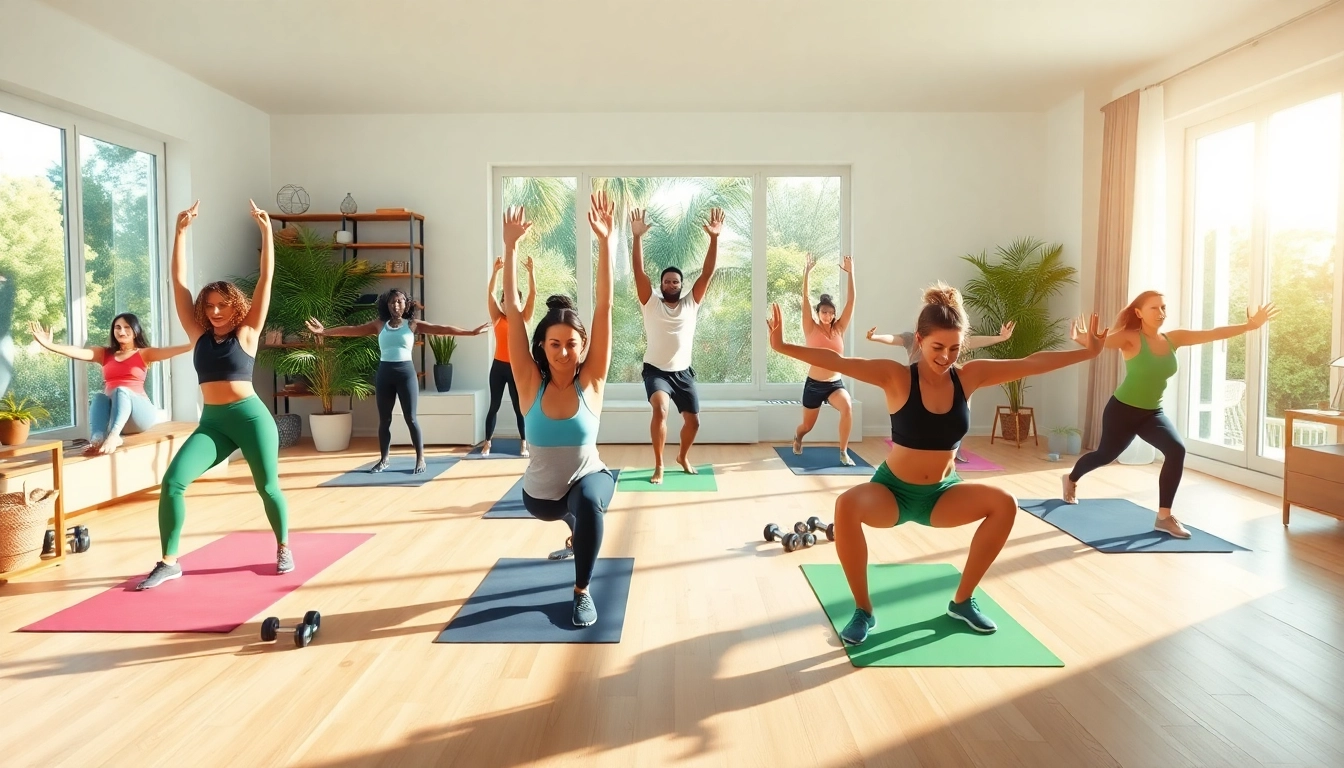
Introduction to Home Workout Plans
In today's fast-paced world, finding time to exercise can be a challenge. Fortunately, Home Workout Plans provide a flexible and convenient solution for all fitness levels. These plans empower individuals to embark on a fitness journey from the comfort of their own homes, eliminating the need for a gym membership or extensive equipment. Whether you are a beginner, intermediate, or advanced athlete, home workouts can cater to your needs and goals.
Benefits of Home Workouts
Home workouts offer several benefits that make them an attractive option for individuals planning their fitness routines. Here are some of the key advantages:
- Convenience: You can schedule workouts at any time that suits you, without the constraints of gym hours.
- Cost-effective: Eliminates or significantly reduces gym memberships and travel costs.
- Flexibility: You can customize workouts according to your preferences and fitness levels, adapting to changing circumstances.
- No Need for Equipment: Many home workouts utilize bodyweight exercises, minimizing the need for costly fitness gear.
- Privacy: If you feel intimidated in a gym environment, working out at home allows you to focus on your exercises without distractions.
Understanding Different Fitness Levels
It's crucial to recognize that everyone has a unique starting point in their fitness journey. Here’s how home workout plans can cater to various fitness levels:
- Beginner: Home workout plans can incorporate fundamental exercises that require minimal or no equipment, enabling gradual progression.
- Intermediate: These individuals may benefit from more complex routines that introduce resistance training or interval training for increased intensity.
- Advanced: Highly experienced athletes can utilize advanced techniques such as High-Intensity Interval Training (HIIT) or combine various training modalities for maximum efficiency.
Essentials for Creating a Plan
When crafting your personal home workout plan, consider the following essentials:
- Equipment: While many bodyweight workouts are effective, you can also integrate resistance bands, dumbbells, or kettlebells for added resistance.
- Space: Ensure you have enough room to perform your chosen exercises safely.
- Time: Decide how much time you can realistically devote to your workouts each week based on your schedule.
- Goals: Define your fitness objectives, whether they are weight loss, muscle gain, or increasing overall stamina.
Designing Your Home Workout Plans
Setting Clear Fitness Goals
To achieve success with your home workout plans, setting clear and measurable goals is essential. Start with the SMART criteria: Specific, Measurable, Achievable, Relevant, and Time-bound. For example, instead of vaguely stating "I want to get fit," frame your goal as "I aim to lose 5 pounds in the next month by working out four times a week and adjusting my diet." This clarity allows you to track your progress and adjust your plans as necessary.
Selecting the Right Exercises
Choosing the right exercises is critical for achieving your fitness goals. Here are some exercise types to consider:
- Cardio: Activities like jump rope, brisk walking, or dancing elevate your heart rate and promote cardiovascular health.
- Strength Training: Bodyweight exercises such as push-ups, squats, and lunges help build muscle. You can also include resistance bands or weights to increase the challenge.
- Flexibility and Mobility: Incorporating yoga or stretching routines enhances flexibility, preventing injuries and improving recovery.
Crafting a Weekly Schedule
A well-structured weekly workout schedule can optimize your results. Consider splitting your week as follows:
- Monday: Strength training (upper body)
- Tuesday: Cardio (interval training)
- Wednesday: Strength training (lower body)
- Thursday: Flexibility and mobility (yoga)
- Friday: Strength training (full body)
- Saturday: Active recovery (light walk or leisure activities)
- Sunday: Rest day
Types of Home Workout Plans
Bodyweight Workouts for Beginners
Bodyweight workouts are ideal for beginners as they focus on using one's own body as resistance. Here’s a basic routine:
- Warm-Up: 5-10 minutes of any light cardio (e.g., jogging in place)
- Routine: - Push-ups: 3 sets of 8-12 reps - Bodyweight squats: 3 sets of 10-15 reps - Plank: 3 sets of 20-30 seconds - Lunges: 3 sets of 10-12 reps (per leg)
- Cool Down: 5-10 minutes of stretching.
Intermediate Strength Training Plans
Moving on to intermediate strength training, individuals can introduce weights or resistance bands. A sample routine could include:
- Warm-Up: Dynamic stretching for 5-10 minutes
- Routine: - Dumbbell bench press: 3 sets of 8-10 reps - Bent-over rows: 3 sets of 8-10 reps - Deadlifts (with dumbbells): 3 sets of 8-10 reps - Tricep dips (using a chair): 3 sets of 8-12 reps
- Cool Down: Static stretching for all major muscle groups.
Advanced High-Intensity Interval Training (HIIT)
For those already at an advanced level, HIIT can maximize fat loss and improve cardiovascular fitness. An example HIIT session is as follows:
- Warm-Up: 5 minutes of light jogging or jumping jacks
- Routine: - 30 seconds of burpees followed by 30 seconds of rest (repeat for 5 sets) - 30 seconds of mountain climbers followed by 30 seconds of rest (repeat for 5 sets) - 30 seconds of jumping squats followed by 30 seconds of rest (repeat for 5 sets)
- Cool Down: 5-10 minutes of stretching.
Staying Motivated with Home Workout Plans
Tracking Progress and Results
Monitoring your progress is essential for sustained motivation. Keep a workout journal or use a fitness app to log your workouts, noting improvements in strength, endurance, and overall fitness. By regularly reviewing your achievements, you can stay motivated and identify areas needing improvement.
Finding a Workout Buddy or Community
Engaging with a workout buddy or online fitness community can elevate your home workout experience. Not only does social interaction enhance motivation, but it also introduces accountability. Consider joining social media fitness groups or local online forums to connect with like-minded individuals who share similar fitness goals.
Incorporating Fun Challenges
Cultivate excitement in your workouts by introducing monthly challenges. These could range from increasing workout frequency, completing a certain number of push-ups per day, or trying a new fitness routine weekly. Challenges provide an engaging way to break monotony and keep enthusiasm high.
Frequently Asked Questions about Home Workout Plans
How long should I workout at home?
Aim for at least 150 minutes of moderate aerobic activity each week, combining cardio and strength training. Sessions can be split into manageable 20-30 minute workouts a few times a week.
Are bodyweight exercises effective?
Yes! Bodyweight exercises can be highly effective for building strength, improving endurance, and enhancing flexibility without requiring equipment.
Can I build muscle without a gym?
Absolutely! With the right combination of bodyweight exercises, resistance bands, and a solid diet, you can build muscle effectively at home.
What if I’m a complete beginner?
Start with basic bodyweight exercises, focusing on form and gradually increasing intensity. Consistency is key, and it's essential to progress at your own pace.
How can I stay motivated to workout at home?
Set specific goals, track your progress, find a workout partner, or join online challenges. Mixing up your routine and incorporating fun exercises helps maintain motivation.