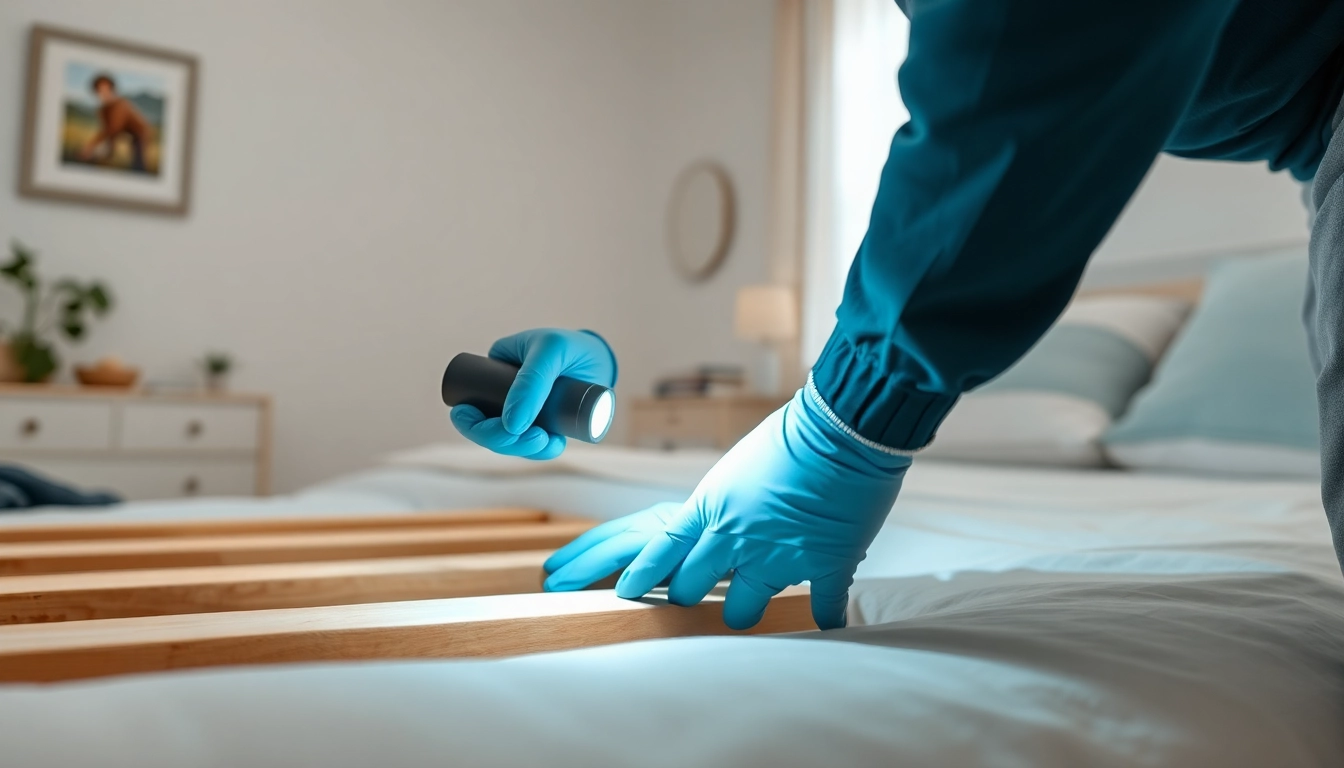
Understanding Bed Bugs and Their Behavior
What Are Bed Bugs?
Bed bugs are small, reddish-brown insects that belong to the Cimicidae family. They are nocturnal feeders that primarily consume the blood of humans and other warm-blooded animals. Adult bed bugs are approximately the size of an apple seed, measuring about 5 to 7 millimeters in length. They are known for their flat bodies, which allow them to hide easily in various crevices and folds of household items. Although they do not transmit diseases, their bites can lead to itching, anxiety, and sleepless nights, making effective bed bug control essential.
Common Signs of Infestation
Identifying a bed bug infestation early is crucial for effective control. Common signs include:
- Actual Bugs: Discovering live bed bugs or their shed skins in bedding, furniture, or luggage.
- Bite Marks: Red, itchy welts on the skin, often in lines or clusters on exposed areas after sleeping.
- Fecal Stains: Small, dark spots on bedding or nearby surfaces, indicating bed bug excrement.
- Blood Spots: Tiny blood stains on sheets from crushed bed bugs during the night.
- Unpleasant Odor: A musty odor in infested areas due to bed bug scent glands.
Life Cycle of Bed Bugs
Understanding the life cycle of bed bugs can aid in their control. Bed bugs progress through several stages:
- Eggs: Tiny, white, and sticky, eggs hatch in about 7 to 10 days.
- Nymphs: These immature bed bugs go through five molts before maturing, requiring a blood meal after each molt.
- Adults: Adult bed bugs can live up to a year and can survive for several months without feeding.
Effective Bed Bug Control Methods
Traditional Pest Control Techniques
Traditional pest control typically involves the use of chemical pesticides. Among the most common classes are:
- Pyrethroids: Synthetic chemicals that mimic natural pyrethrins, disrupting the insect nervous system.
- Desiccants: Agents that dry out the bed bugs, affecting their ability to maintain moisture.
- Insect Growth Regulators (IGRs): Products that disrupt the development of bugs, preventing them from reaching maturity.
While effective, these methods often require multiple applications and should be coupled with non-chemical methods for better results.
Do-It-Yourself Solutions
For individuals looking for DIY options, various methods can help combat bed bug problems:
- Steam Cleaning: Using steam at a temperature of 130°F (54°C) can kill bed bugs and their eggs on contact.
- Vacuuming: Regularly vacuuming infested areas and disposing of the vacuum bag immediately can remove bugs and their eggs.
- Natural Remedies: Essential oils like tea tree or lavender may deter bed bugs; however, their effectiveness might vary.
Heat Treatment vs. Chemical Treatment
Heat treatment involves raising the temperature of an infested space to a lethal range of 117°F (47°C) for bed bugs. This method is environmentally friendly and has a high efficacy rate. However, it can be costly and requires specialized equipment. On the other hand, chemical treatments remain widely used due to their effectiveness and relatively lower initial costs. The choice between heat and chemical treatment often depends on the severity of the infestation and the specific circumstances of the home.
Preventing Bed Bug Infestations
Home Maintenance Tips
Preventing a bed bug infestation is much easier than dealing with an existing one. Here are some maintenance tips:
- Keep Clutter to a Minimum: Limiting clutter reduces hiding places for bed bugs, making them less likely to thrive.
- Wash Bedding Regularly: Wash and dry bedding in hot water and high heat to kill any potential bugs.
- Inspect Second-hand Items: Thoroughly check used furniture and clothing before bringing them into your home.
Travel Precautions
Travel is a common way to introduce bed bugs into your home. To mitigate this:
- Inspect Hotel Rooms: Check the bedding and furniture for signs of bed bugs before unpacking.
- Use Protective Covers: Consider using protective covers on your luggage to avoid bringing home unwanted hitchhikers.
- Wash Clothing Immediately: Upon returning from a trip, wash all clothing in hot water, regardless of what you wore.
Sealing Cracks and Crevices
Cracks and crevices in walls, floors, and furniture provide excellent hiding spots for bed bugs. Sealing these areas with caulk or application of appropriate materials can significantly reduce the chances of infestation. Pay attention to electrical outlets, baseboards, and any other entry points where bed bugs can hide.
When to Seek Professional Help
Signs You Need an Exterminator
There are times when a do-it-yourself approach just isn’t enough. Consider seeking professional help if:
- Multiple signs of infestation are noted, including bites and bug sightings.
- DIY methods have failed to eliminate bed bugs after several attempts.
- Infestations spread to multiple rooms or throughout the home.
Choosing the Right Pest Control Service
When selecting a pest control service, consider the following:
- Experience: Look for companies specializing in bed bug control with a proven track record.
- Methods Used: Ensure they use both chemical and non-chemical approaches for comprehensive treatment.
- Review Reputation: Research customer reviews and success stories for insights into their effectiveness.
Questions to Ask Your Exterminator
Before hiring a pest control service, ask them key questions to gauge their proficiency:
- What treatment methods do you utilize?
- How many treatments will be necessary to ensure complete eradication?
- What precautions should I take before and after treatment?
Frequently Asked Questions About Bed Bug Control
What kills bed bugs instantly?
High heat above 117°F (47°C) or specific insecticides can kill bed bugs on contact. Steam treatment is also effective at instant kill.
Can bed bug infested furniture be treated?
Yes, infested furniture can be treated using heat, vacuuming, or specialized sprays designed for bed bugs, minimizing the need for disposal.
Are there home remedies for bed bug control?
Essential oils like tea tree or lavender might deter bed bugs but should be used in conjunction with other methods for greater effectiveness.
How much does professional bed bug control cost?
The cost of professional bed bug control varies widely based on the method, severity, and location. Expect to pay anywhere from hundreds to thousands of dollars.
Is it safe to sleep after bed bug treatment?
Generally, it is safe to sleep in treated areas after the recommended wait time. Always follow your pest control service’s specific guidelines.