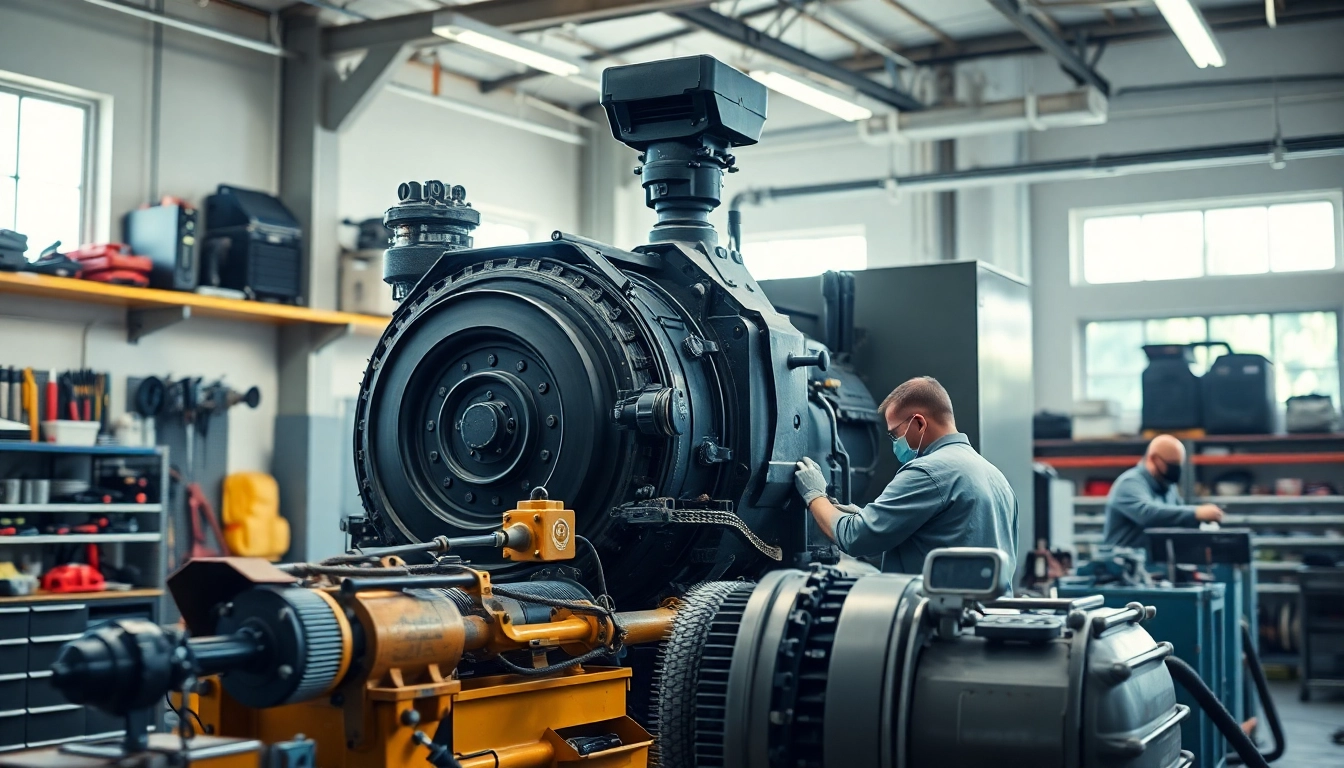
Understanding Equipment Service
Definition and Importance of Equipment Service
Equipment service encompasses a wide range of processes essential for the smooth functioning and longevity of various types of machinery and tools. Defined broadly, it includes the maintenance, repair, installation, and inspection of equipment that ensures compliance with safety standards and operational efficiency. This service is critical for minimizing downtime, extending the life of equipment, and ultimately ensuring that businesses can continue their operations without interruption. In industries where machinery is vital, equipment service plays a pivotal role in contributing to a firm's bottom line.
Differentiating Equipment Service Types
Understanding the different types of equipment service is fundamental for businesses that rely on machinery. These types can be broadly classified into preventive, corrective, and condition-based services, each tailored to meet specific operational needs.
- Preventive Equipment Service: Scheduled maintenance aiming to reduce the risk of unexpected breakdowns.
- Corrective Equipment Service: Reactive maintenance performed after equipment failures occur.
- Condition-Based Equipment Service: Maintenance based on the actual condition of the equipment as monitored through various sensors.
How Equipment Service Impacts Operational Efficiency
Operational efficiency hinges on how well equipment performs. Regular and effective equipment service can drastically reduce instances of failure, which is pivotal in preventing costly downtime. Furthermore, an efficiently maintained operation enhances productivity and ensures that resources are used effectively, contributing to higher profitability and smoother workflows.
Types of Equipment Service
Preventive Equipment Service: Ensuring Longevity
Preventive equipment service involves a series of scheduled checks intended to minimize the risk of equipment failure. This proactive approach includes routine inspections, cleaning, lubrication, and replacement of worn parts before they lead to malfunction. Such measures are crucial for industries involving heavy machinery, where even minor failures can lead to major operational disruptions. Preventive maintenance not only extends the longevity of equipment but also provides peace of mind for operators and business owners alike.
Corrective Equipment Service: Responding to Failures
Corrective equipment service comes into play when equipment fails to operate as expected. This type of service emphasizes fixing parts and systems that are defective or malfunctioning. Rapid response is critical in correcting failures to minimize downtime, especially in industries reliant on heavy machinery where operational delays can be costly. An effective corrective service includes troubleshooting, root cause analysis, and implementation of effective solutions to restore equipment functionality.
Condition-Based Equipment Service: Real-Time Monitoring
Condition-based equipment service leverages technology to monitor the performance and health of equipment. By employing sensors and diagnostic tools, businesses can detect issues in real time, thus enabling timely interventions before significant failures occur. This approach reduces unnecessary maintenance practices and optimizes service schedules based on actual equipment performance, leading to more efficient resource allocation and reduced operational costs.
The Equipment Service Process
Initial Assessment and Diagnostics
The first step in the equipment service process is a comprehensive assessment of the machinery's current condition. This involves diagnostic tests to identify any existing issues and to understand the equipment's operational history. An effective assessment will provide insights into potential future failures and is crucial for tailoring a service plan that meets the specific needs of the equipment and the business.
Implementation of Service Solutions
Upon identifying issues, the next phase is the implementation of service solutions. This can range from simple repairs to complete overhauls of machinery depending on the severity of identified problems. Experienced technicians will execute the service plan, ensuring that all solutions are documented, and any necessary parts are replaced using high-quality components to ensure reliability and longevity.
Quality Assurance in Equipment Service
Quality assurance is a critical component of the equipment service process. Final checks and tests should be conducted post-service to ensure everything is functioning correctly and as intended. This may involve running the machinery under operational conditions to confirm that repairs have resolved issues effectively. A solid quality assurance protocol not only safeguards the operational reliability of the equipment but also enhances customer trust in service providers.
Choosing the Right Equipment Service Provider
Evaluating Qualifications and Experience
Choosing the right equipment service provider is pivotal for ensuring high-quality maintenance and repair operations. It is essential to evaluate the qualifications and experience of service providers. This includes checking for relevant certifications, training, and years of experience in handling the specific types of equipment your business uses. A provider with a strong track record in your industry will likely understand the nuances and unique challenges associated with your machinery.
Understanding Service Prices and Packages
Service pricing can vary significantly across providers and is influenced by the complexity of the services offered. It is important to gain a clear understanding of pricing structures, including any packaged services that may offer a better value over time. Additionally, businesses should consider what is included in service packages to ensure they meet their comprehensive needs, including emergency services and after-hours support options.
Assessing Customer Satisfaction and Reviews
Customer satisfaction is a strong indicator of a service provider's reliability and quality. Potential clients should look for reviews, case studies, and testimonials from other businesses that have used the services. Engaging with previous customers can yield insights into the provider's strengths and weaknesses, and help you make an informed decision on which equipment service provider to choose.
Frequently Asked Questions about Equipment Service
What is the meaning of equipment services?
Equipment services encompass installation, maintenance, and repair of equipment, ensuring compliance and operational efficiency.
What is the purpose of equipment servicing?
Equipment servicing aims to provide regular maintenance to prevent unexpected failures and extend the machinery's operational lifespan.
What are the types of equipment maintenance?
Main types include preventive, predictive, corrective, and condition-based maintenance, all essential for keeping equipment functional.
Why is routine equipment service important?
Routine equipment service reduces downtime and enhances reliability, ensuring ongoing operations across various industries are unaffected.
How do I choose the right equipment service provider?
Evaluate provider experience, offerings, reviews, and pricing to select a service provider that best meets your specific business needs.