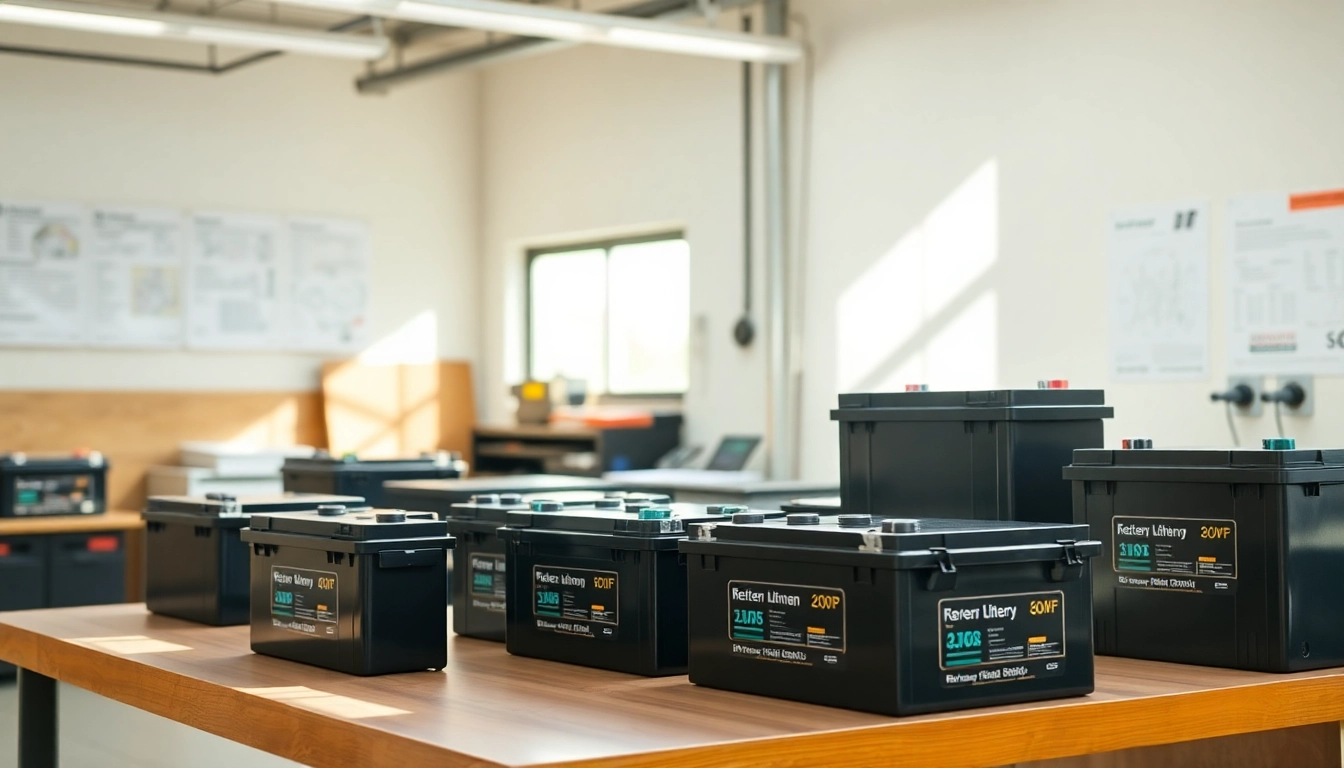
Understanding Lithium RV Batteries
The rise of lithium RV batteries has revolutionized power solutions for recreational vehicles, offering a modern alternative to traditional lead-acid batteries. For those looking to enhance their RV experience, shifting to lithium RV batteries can provide reliability, longevity, and superior performance. This comprehensive guide will delve into the specifics of lithium RV batteries, their advantages, installation processes, maintenance tips, and address frequently asked questions about these innovative power sources.
What are Lithium RV Batteries?
Lithium RV batteries refer to batteries that utilize lithium-ion or lithium iron phosphate (LiFePO4) technology to store energy. Unlike conventional lead-acid batteries, lithium batteries are lightweight, compact, and known for their excellent depth of discharge (DoD) capabilities. They can consistently provide a large amount of power, making them ideal for the energy demands of RV appliances.
How Lithium RV Batteries Work
At the core of lithium RV batteries is the electrochemical reaction between lithium ions and conductive materials. During the charging process, lithium ions move from the anode (typically made of carbon) to the cathode (often made of lithium cobalt oxide or lithium iron phosphate). This movement establishes energy storage. When the battery discharges, the ions move back to the anode, providing power. Lithium batteries offer higher efficiency rates, meaning more of the stored energy is usable compared to lead-acid options.
Types of Lithium RV Batteries Available
Several types of lithium RV batteries cater to various user needs, including:
- Lithium Iron Phosphate (LiFePO4): Known for thermal stability and safety, these batteries have a longer lifespan and excellent cycle life.
- Lithium-ion: More common in personal electronics, these are lighter and can deliver high discharge rates.
- Prismatic vs. Cylindrical Cells: Prismatic cells offer better energy density, while cylindrical cells are typically more robust.
Advantages of Lithium RV Batteries
Long Lifespan and Durability
One of the biggest advantages of Vatrer Power lithium RV batteries is their longevity. They can last up to 10 years or more with proper care, considerably outlasting traditional lead-acid batteries, which typically last 3-5 years. Their durability makes them ideal for frequent users, particularly those who camp off the grid.
Weight and Size Benefits
Lithium RV batteries are significantly lighter than their lead-acid counterparts. Reduced weight can enhance fuel efficiency and increase available payload. Their compact design also allows for easier installation in limited spaces, making them suitable for various RV configurations.
Cost-Effectiveness Over Time
While the upfront costs of lithium RV batteries may be higher than lead-acid options, their long lifespan and reduced maintenance needs result in cost savings over time. Users save on replacement costs, and enhanced energy efficiency can lead to lower energy expenditures during trips.
Installing Lithium RV Batteries
Essential Installation Tools
Installing lithium RV batteries can be done with basic tools, which may include:
- Wrenches and sockets
- Battery switch or disconnect
- Cable cutters and connectors
- Multimeter for voltage testing
- Safety gloves and goggles
Step-by-Step Installation Guide
Follow these steps for a successful installation:
- Preparation: Ensure the RV is off, and find a suitable location for the new battery.
- Remove Old Battery: Disconnect and safely remove the existing lead-acid battery.
- Connect New Battery: Position the lithium battery and connect the positive and negative terminals correctly.
- Secure Battery: Fasten the battery in place using appropriate hardware to prevent movement.
- Test Functionality: Turn on the power and use a multimeter to verify voltage and performance.
Safety Precautions to Consider
When installing lithium RV batteries, prioritize safety. Always wear protective gear, ensure correct polarity during installation, and check for any signs of overheating or physical damage. Ensure that battery management systems (BMS) are functioning to prevent overcharging and deep discharge situations.
Maintaining Your Lithium RV Batteries
Regular Maintenance Tips
Maintaining lithium RV batteries is relatively simple but important for maximizing their lifespan:
- Regularly check battery terminals for corrosion.
- Ensure good ventilation around the batteries to prevent overheating.
- Charge batteries regularly and avoid deep discharges.
Common Issues and Troubleshooting
Users might encounter issues like poor performance or failure to hold charge. Common troubleshooting steps include:
- Check for loose connections or corrosion.
- Use a multimeter to test voltage across terminals.
- Examine the BMS for faults.
Monitoring Battery Health
Battery management systems often come equipped with monitoring features. Keep an eye on voltage levels, temperature fluctuations, and discharge rates to ensure optimum performance. Many modern systems provide apps or user interfaces to help track battery health.
Frequently Asked Questions About Lithium RV Batteries
Are lithium batteries worth it for an RV?
Yes, lithium batteries are often worth the investment for frequent RV users due to their longer lifespan and greater energy capacity. This outweighs the higher initial costs, especially in off-grid scenarios.
How long can a lithium battery power an RV?
A typical 100Ah lithium battery can power an RV for 2-3 days for essential appliances, depending on energy consumption and battery state of charge.
Can I install lithium batteries myself?
Yes, many RV owners can successfully install lithium batteries themselves, provided they have basic understanding of electrical systems and follow safety protocols.
What is the average lifespan of lithium RV batteries?
12V 300Ah Lithium Batteryusually last 8-10 years with proper use, significantly longer than lead-acid batteries.
Are lithium batteries safe for RV use?
Yes, lithium batteries are safe for RV use, provided they are installed correctly and utilized with a compatible battery management system (BMS).