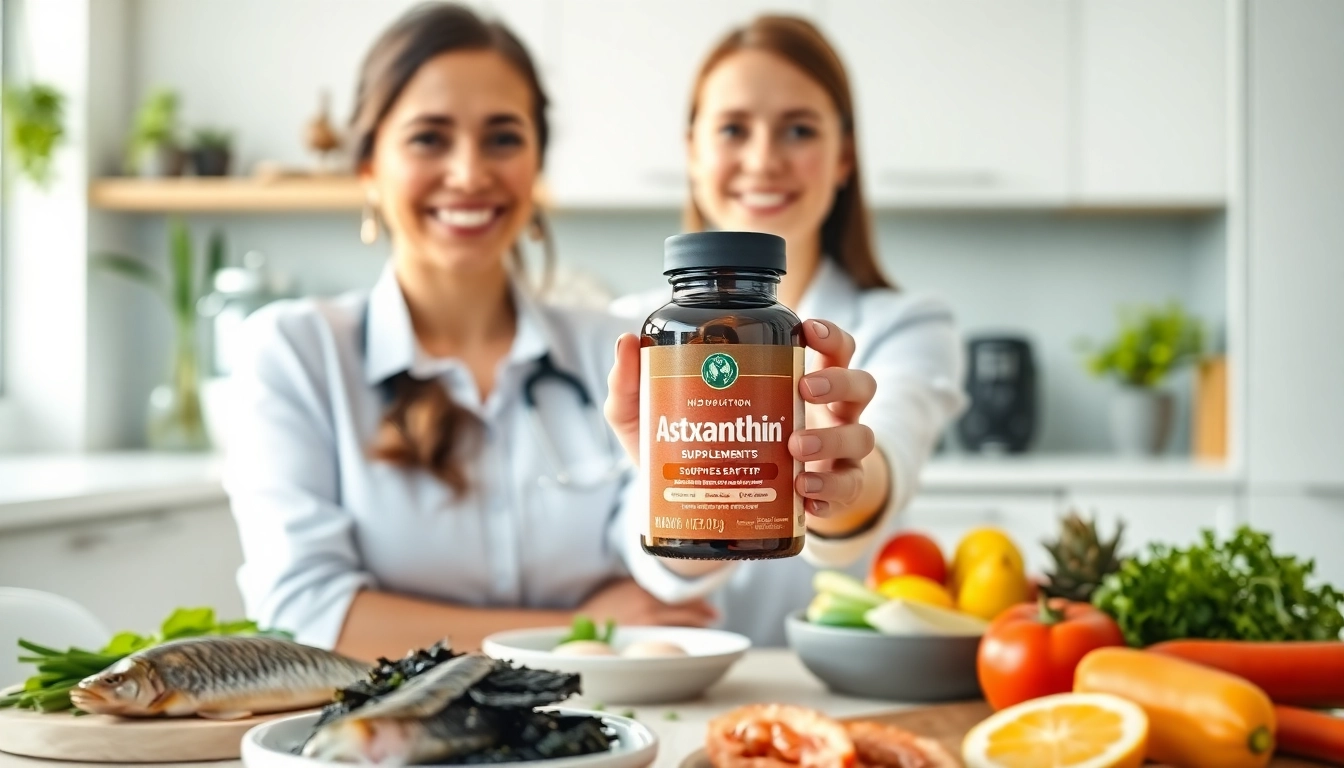
Introduction to Safe Astaxanthin Dosage
A nutrient known for its impressive range of health benefits, astaxanthin has captured attention for its potent antioxidant effects. As more individuals turn to dietary supplements to enhance their well-being, understanding the safe astaxanthin dosage becomes essential. This article provides a comprehensive look into astaxanthin, including its benefits, dosage recommendations, potential side effects, and tips for choosing the right supplement.
What is Astaxanthin?
Astaxanthin is a powerful carotenoid pigment primarily found in algae, shrimp, and other marine creatures. Renowned for its vibrant red color, it plays a role in photosynthesis and is responsible for the pink hue of salmon, flamingos, and certain types of shellfish. Notably, astaxanthin stands out due to its superior antioxidant properties, significantly surpassing those of other well-known antioxidants like vitamin C and vitamin E. This makes it a compelling candidate in the prevention of oxidative stress-related conditions.
Health Benefits of Astaxanthin
The health benefits of astaxanthin are diverse and impactful. Research has linked it to promoting skin health by reducing the appearance of fine lines and age spots while enhancing skin hydration and elasticity. Additionally, astaxanthin has anti-inflammatory properties, which may alleviate symptoms of conditions such as arthritis. Moreover, studies suggest that astaxanthin boosts athletic performance by increasing endurance and reducing muscle soreness post-exercise. It also supports eye health, providing protection against age-related macular degeneration, and may have potential cardiovascular benefits by improving blood lipid profiles.
Importance of Proper Dosage
Taking the right dose of astaxanthin is crucial for maximizing its health benefits while minimizing the risk of side effects. Overdose can lead to potential adverse effects, so it's important to adhere to recommended guidelines. Understanding this balance enables users to harness the full potential of astaxanthin safely.
Recommended Daily Intake of Astaxanthin
General Guidelines for Safe Astaxanthin Dosage
The recommended daily intake of astaxanthin varies based on individual health goals, but general guidelines suggest a dosage range of 4 to 12 mg per day for most adults. Studies have indicated that this amount is effective in yielding significant health benefits without serious side effects. For those new to supplementation, starting on the lower end of the dosage range and gradually increasing may be advisable to assess tolerance and efficacy.
Factors Influencing Dosage Needs
Several factors can influence how much astaxanthin an individual may need. These include age, weight, diet, and the specific health conditions being addressed. For instance, athletes looking to enhance performance may require higher dosages than those taking it for general wellness. Consulting a healthcare provider is recommended to tailor dosages based on personal health profiles.
Age and Health Conditions
Age can significantly impact the effectiveness and required dosage of astaxanthin. Older adults may benefit from higher doses due to their increased susceptibility to oxidative stress. Additionally, individuals with specific health conditions, such as cardiovascular disease or chronic inflammation, might require adjusted dosages under medical supervision to achieve optimal results.
Potential Effects of Astaxanthin
Positive Health Impacts
The incorporation of astaxanthin in a daily regimen can yield numerous positive health impacts. It not only contributes to enhanced physical energy and endurance but also plays a vital role in reducing inflammation. Long-term use can support skin and eye health, promoting overall well-being and longevity.
Possible Side Effects
While astaxanthin is generally well-tolerated, some individuals may experience mild side effects such as gastrointestinal discomfort, color changes in stool, or changes in skin tone. Serious side effects are rare, but they can occur, especially with excessively high doses. It's vital to adhere to recommended guidelines to mitigate these risks.
Signs of Overdosage
Recognizing signs of overdosage is key to maintaining safety when supplementing with astaxanthin. Symptoms may include a noticeable yellowing of the skin, nausea, or digestive upset. Should any of these symptoms arise, discontinuation of the supplement and consultation with a healthcare professional is recommended.
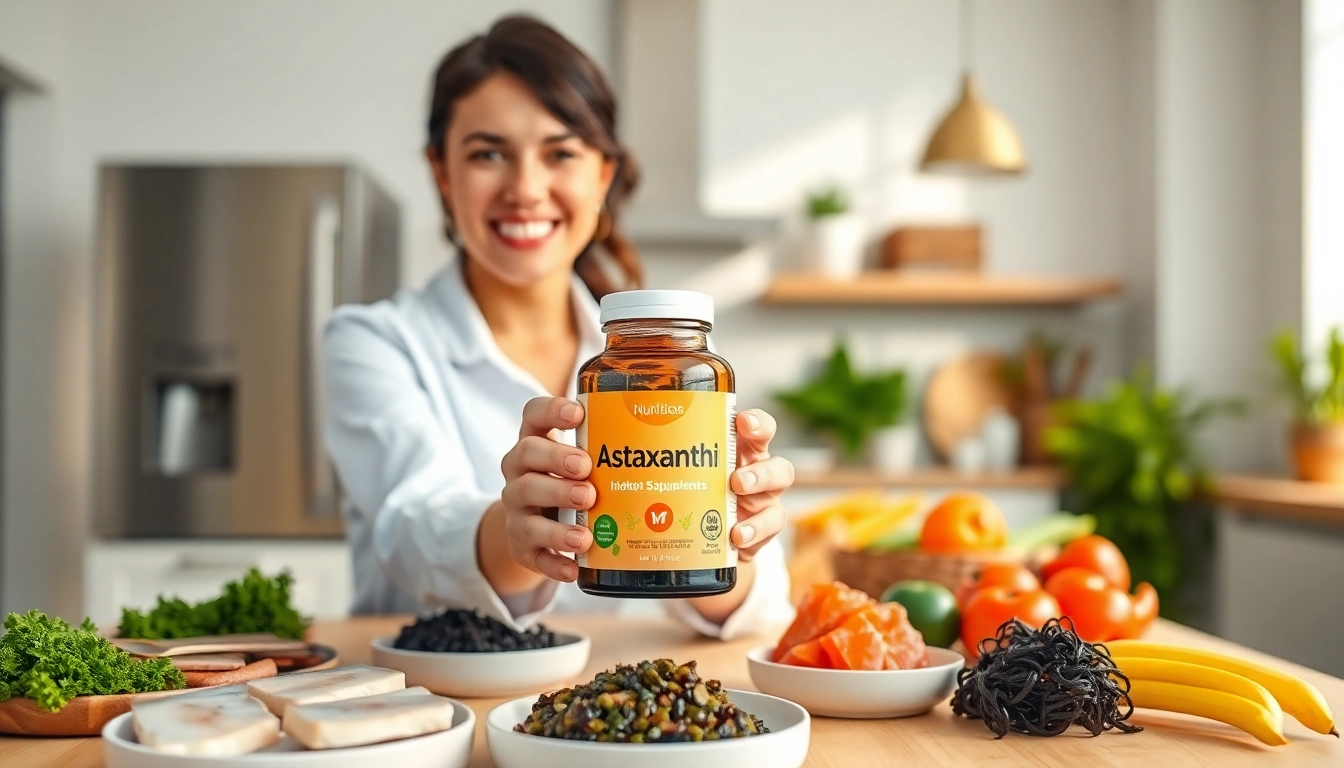
Choosing Quality Astaxanthin Supplements
What to Look For in Supplements
When selecting astaxanthin supplements, look for products that contain natural, high-quality sources, such as those derived from Haematococcus pluvialis algae. Check for combined ingredients or fillers that may dilute the efficacy of astaxanthin. Formulations should ideally be free from artificial additives and preservatives, ensuring a pure and effective product.
Understanding Label Information
Understanding nutritional labels is critical when choosing astaxanthin supplements. Pay attention to the dosage per serving, ingredients, and any certifications such as non-GMO, vegan, or organic. This information helps in assessing the product's quality and efficacy.
User Reviews and Certifications
Reading user reviews can provide insight into the efficacy and reliability of a supplement. Look for products that have undergone third-party testing for quality assurance. Certifications from reputable organizations can offer reassurance about a supplement's purity and potency.
FAQs About Safe Astaxanthin Dosage
What is the safe astaxanthin dosage for beginners?
For beginners, a safe starting dose is usually around 4 mg per day. Gradually increasing this dosage can help assess tolerance while still gaining health benefits.
Can I take astaxanthin with other supplements?
Yes, astaxanthin can be safely taken with other supplements. However, it's advisable to consult a healthcare provider to avoid potential interactions.
Are there any side effects to astaxanthin?
Most individuals tolerate astaxanthin well. Minor side effects may include gastrointestinal discomfort or discoloration of skin. Serious side effects are rare.
Is astaxanthin safe during pregnancy?
Due to limited research, pregnant or breastfeeding women should consult a healthcare provider before taking astaxanthin to ensure safety.
How long does it take to see results from astaxanthin?
Results can typically be observed within 2 to 12 weeks of consistent use, depending on individual health conditions and dosage.