Understanding Peptide Storage: A Key to Research Success
In the evolving landscape of biomedical research, understanding the intricacies of peptide storage and reconstitution is crucial for maximizing the efficacy of research outcomes. As peptides are increasingly utilized in a variety of applications, ranging from drug development to diagnostics, the importance of proper storage methods cannot be overstated. The delicate nature of these biomolecules makes them susceptible to degradation if not handled correctly. Researchers must be equipped with comprehensive knowledge regarding how peptides are stored and reconstituted to ensure their stability and functionality throughout the research process.
The Importance of Proper Storage Methods
Storage practices play a pivotal role in preserving the integrity of peptides. Improper handling and storage can lead to loss of potency, altered molecular structure, and reduced effectiveness in experimental applications. Understanding the science behind peptide degradation is essential for researchers. For example, temperature fluctuations, exposure to light, and moisture can all contribute to peptide instability. Therefore, establishing robust storage protocols is vital for any research setting. When exploring options, how peptides are stored and reconstituted can provide comprehensive insights into maintaining peptide integrity.
Common Mistakes in Peptide Handling
Researchers often make critical errors when handling peptides, which can jeopardize their entire research project. Among these mistakes are:
- Not storing peptides at the recommended temperatures.
- Failure to protect peptides from light exposure.
- Reconstituting peptides with inappropriate solvents.
- Using non-sterile equipment for handling.
Each of these factors can significantly impact peptide stability and effectiveness. By being aware of these common pitfalls, researchers can implement corrective measures to enhance their experimental success.
Overview of Peptide Stability Factors
Several key factors affect the stability of peptides, including chemical composition, environmental conditions, and physical state. Peptides that are lyophilized (freeze-dried) tend to have improved stability compared to those in solution, making their storage conditions crucial. Furthermore, the presence of specific amino acids can predispose peptides to degradation, particularly through hydrolysis or oxidation. Understanding these stability factors enables researchers to make informed decisions regarding peptide storage and reconstitution strategies.
Best Practices for Storing Lyophilized Peptides
Maintaining the quality of lyophilized peptides requires adhering to specific best practices. By following these guidelines, researchers can significantly extend the shelf life and efficacy of their peptide resources.
Optimal Temperature Conditions
Lyophilized peptides are generally best stored at temperatures below -20°C. Many peptides can also remain stable at -80°C for even longer periods. For short-term storage, keeping these peptides in a standard freezer is adequate; however, fluctuations should be minimized to prevent degradation.
Light Exposure and Its Effects
Light can lead to the photodegradation of peptides, which can negatively impact their functional integrity. Therefore, it is advisable to store peptides in amber vials or opaque containers that minimize light exposure. Additionally, storing them in a dark, cool place further preserves their stability.
Packaging and Container Recommendations
Using proper packaging is essential to avoid moisture and contaminants. Researchers should store peptides in tightly sealed containers, ideally desiccators to absorb moisture and prevent hydrolysis. Vacuum-sealed bags can also be effective for long-term storage, ensuring that the peptides remain dry and uncontaminated.
Reconstitution Techniques for Maximum Potency
Once peptides are ready for use, proper reconstitution techniques are critical for maintaining their biological activity. Following suitable methods ensures that researchers obtain maximum potency from their peptides.
Step-by-Step Reconstitution Process
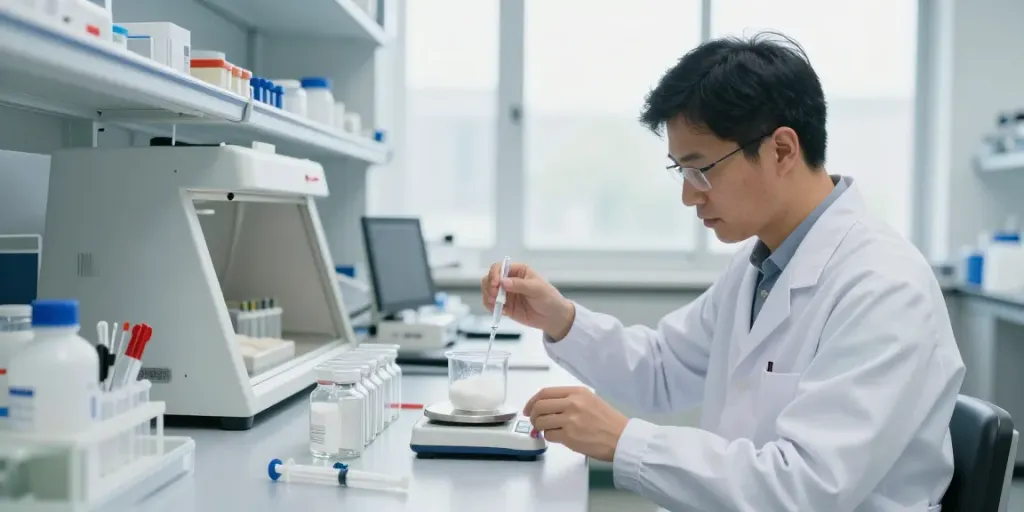
The reconstitution of peptides typically involves the following steps:
- Begin by determining the appropriate solvent for reconstitution, such as sterile water or buffered solutions.
- Calculate the required volume of solvent based on the concentration needed for the desired application.
- Slowly add the solvent to the peptide vial, allowing it to flow down the side to minimize frothing.
- Gently swirl or invert the vial to mix, avoiding vigorous shaking that can denature the peptide.
Common Solutions and Solvents Used
Various solvents can be used to reconstitute peptides, including:
- Sterile water for injection (WFI)
- Phosphate-buffered saline (PBS)
- Acetic acid solutions for specific peptides
Selecting the right solvent is crucial, as it can influence the peptide's stability and functionality in subsequent experiments.
Best Practices for Handling Reconstituted Peptides
Once reconstituted, peptides should be handled with care to prevent degradation. Key practices include:
- Store reconstituted peptides at 2-8°C if used within a week or two.
- Avoid repeated freeze-thaw cycles, which can affect peptide integrity.
- Use sterile techniques when aliquoting or transferring reconstituted peptides.
By following these best practices, researchers can ensure that the peptides maintain their efficacy throughout the experimental process.
Long-term Storage Solutions for Reconstituted Peptides
For peptides that have been reconstituted but not yet used, appropriate long-term storage solutions are essential to maintain their stability.
Freezing vs. Refrigeration: What to Choose
While refrigeration at 2-8°C is suitable for short-term storage, freezing at -20°C or even -80°C is recommended for long-term preservation. Freezing is particularly important for peptides that are sensitive to degradation, as this significantly prolongs their shelf life.
Duration of Stability for Reconstituted Peptides
Most reconstituted peptides can remain stable for approximately 28 days when stored properly in the refrigerator. However, this timeframe may vary depending on specific peptide characteristics, making it essential to consult peptide-specific guidelines when determining stability durations.
Monitoring Peptide Integrity Over Time
To ensure peptide quality, regular monitoring is necessary. This can include visual inspections for changes in color or clarity, as well as analytical techniques such as mass spectrometry to assess stability over time. Implementing stability testing protocols can help researchers catch potential degradation early.
Future Trends in Peptide Storage and Handling
The field of peptide research is rapidly evolving, with new technologies continuously enhancing the way peptides are stored and handled. Keeping abreast of these trends can provide researchers with a competitive edge.
Emerging Technologies in Peptide Research
Novel storage technologies, such as microencapsulation and nanotechnology-based delivery systems, are being developed to enhance peptide stability and efficacy. These advancements permit researchers to create more effective formulations while also safeguarding the integrity of the peptides.
Predictions for 2026 and Beyond
As peptide applications expand, it is expected that guidelines for storage and handling will become even more stringent. Continued research into peptide stability will result in more refined protocols, catering to the unique requirements of various peptides.
Preparing for Advancements in Laboratory Protocols
With advancements in peptide research, laboratory protocols will need to adapt to include new storage and handling practices. Researchers should remain flexible and ready to incorporate innovative strategies that improve peptide integrity and usability.
Frequently Asked Questions
How do I store my peptides after reconstituting?
After reconstitution, peptides should be stored in a refrigerator at 2-8°C and should be used within 28 days for optimal stability. For longer storage, freezing is recommended.
What destroys peptides?
Factors such as exposure to heat, light, moisture, and incorrect pH levels can lead to peptide degradation. It is essential to minimize these environmental influences to maintain peptide integrity.
Do peptides go bad after 30 days?
While many peptides are stable for 28 days post-reconstitution, their potency may decrease thereafter. It is advisable to discard any unused peptides after this timeframe to avoid conducting experiments with degraded materials.
What happens if I don't refrigerate my peptides?
Failure to refrigerate peptides can lead to accelerated degradation, reducing their potency and effectiveness for research applications. It is vital to adhere to recommended storage conditions.
How long do reconstituted peptides last at room temperature?
Reconstituted peptides should ideally not be stored at room temperature for prolonged periods. Even short durations at room temperature may compromise their efficacy, so refrigeration is strongly advised.