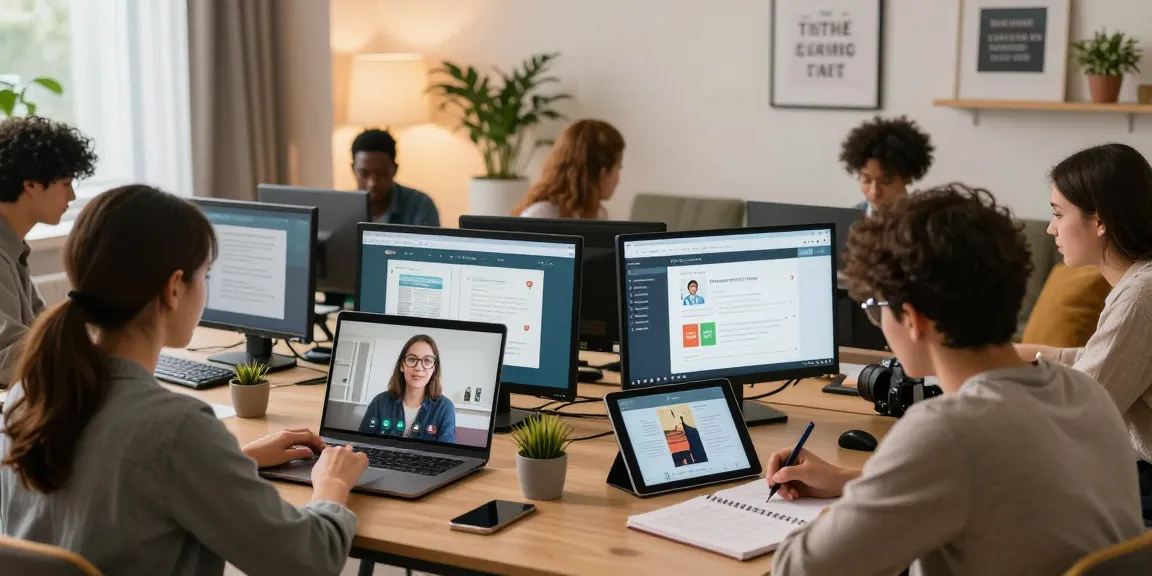
Understanding the Importance of Lifelong Learning
Lifelong learning is no longer an option; it's a necessity in today's fast-paced, ever-evolving job market. The ability to continually learn and adapt is vital for personal growth and professional success. As industries expand and require new skills, understanding how to engage in lifelong learning can significantly affect career trajectories and personal fulfillment. For those looking to enhance their knowledge and capabilities, there are numerous strategies available. If you're interested in exploring these further, learn more about effective lifelong learning approaches.
What Does "Learn More" Really Mean?
At the heart of lifelong learning lies the phrase "learn more," which transcends traditional education paradigms. It suggests an ongoing commitment to acquire knowledge, whether through formal education, online courses, workshops, or self-directed study. This concept is about nurturing curiosity and embracing the idea that education does not stop after formal schooling. It encourages individuals to seek knowledge actively, engage with new ideas, and apply what they've learned in practical contexts.
The Impact of Lifelong Learning on Career Development
The implications of lifelong learning on career development are profound. As technology advances and workplace dynamics shift, the demand for updated skills intensifies. Professionals who commit to continuous education often find themselves better equipped to navigate changes and seize new opportunities. According to recent studies, individuals who engage in lifelong learning can expect to see a significant increase in job satisfaction and career progression. Moreover, employers increasingly favor candidates who demonstrate a proactive approach to personal and professional growth.
Common Misconceptions About Learning
Despite the obvious advantages, there are persistent misconceptions about lifelong learning. One of the most common is the belief that education is the sole province of the young. In reality, learning can occur at any age and is often richer through diverse experiences. Another misconception is that learning requires large time investments and formal settings. In truth, effective learning can happen in various formats, including podcasts, articles, and casual conversations.
Effective Strategies for Continuous Education
Embracing lifelong learning requires both intention and strategy. To maximize your educational journey, it's essential to adopt effective methods that cater to your individual learning style. Here are some of the top strategies that can enhance your continuous education:
Utilizing Online Resources to Learn More
The internet is a treasure trove of knowledge. From online courses on platforms like Coursera and edX to instructional YouTube videos, learners have unprecedented access to educational resources. Many institutions offer free courses on various subjects, allowing individuals to explore new interests or deepen their expertise without financial barriers.
Creating a Personalized Learning Plan
A personalized learning plan helps you stay focused and organized in your educational pursuits. Start by identifying your learning goals. Do you want to develop a new skill for your job, or are you pursuing a personal interest? Outline a plan with specific milestones. This could include scheduling weekly time blocks dedicated to learning, selecting resources, and setting reminders for progress reviews.
Engaging with Community Learning Platforms
Community learning platforms are excellent for collaboration and motivation. Engaging with others who share similar interests can enhance your learning experience. Look for local meet-ups, online forums, or social media groups focused on your areas of interest. These platforms allow for knowledge sharing, feedback, and networking opportunities that can lead to professional growth.
Overcoming Challenges in Learning Journeys
While pursuing education throughout life can be rewarding, it often comes with its challenges. Recognizing these barriers is the first step in addressing them effectively.
Identifying and Addressing Learning Barriers
Common barriers to learning include lack of time, resources, or confidence. To overcome these challenges, start by conducting a self-assessment to identify what specifically hinders your learning. Once you understand these barriers, develop strategies to tackle them, such as reallocating time from less crucial activities or seeking resources that fit your learning style and schedules.
How to Stay Motivated While Learning
Maintaining motivation is crucial for long-term learning success. Setting clear, attainable goals is one effective way to stay engaged. Celebrate small victories along the way to help maintain your enthusiasm. Additionally, consider joining a study group or finding an accountability partner to share your learning journey.
Time Management Tips for Busy Learners
For busy professionals, time management is often a significant hurdle when it comes to lifelong learning. Implementing strategies such as prioritizing tasks, using time-blocking techniques, and scheduling learning sessions in your calendar can help ensure that you make steady progress. Additionally, integrating learning into your daily routine—such as listening to educational podcasts during commutes—can maximize your time efficiently.
Real-World Applications of Learning More
The benefits of lifelong learning extend well beyond theoretical knowledge. Understanding how to apply newly acquired skills can lead to profound professional and personal transformations.
Case Studies of Successful Lifelong Learners
Consider the example of professionals in rapidly changing industries, such as technology and healthcare. Many individuals in these fields actively pursue certifications and new learning opportunities to stay current with emerging trends. For instance, a software developer may learn new programming languages through online courses, leading to increased job security and higher salary demands.
Integrating New Skills into the Workplace
When employees bring new skills into their workplaces, the benefits can ripple through entire teams. For instance, someone who learns data analytics can apply their knowledge to enhance decision-making processes in their organization, creating a more data-driven culture and ultimately driving better business outcomes.
How Learning Impacts Personal Growth
Beyond professional applications, lifelong learning fosters personal growth. Engaging in new learning experiences can help develop critical thinking, enhance problem-solving skills, and cultivate a growth mindset. These attributes not only make individuals more adaptable but also more resilient in the face of challenges.
Future Trends in Education and Learning Methods
As we look toward the future, the landscape of education and learning continues to evolve. Several trends are emerging that will shape the way individuals pursue lifelong learning in 2026 and beyond.
Predictions for the Future of Online Learning in 2026
By 2026, online learning is expected to be even more integrated into professional development strategies. The rise of micro-credentials and digital badges will likely take center stage, allowing learners to demonstrate their skills in a concise and recognized format. This shift will enable organizations to identify talent more efficiently while also providing learners with tangible proof of their educational achievements.
Emerging Technologies Enhancing Learning Experiences
Advancements in technology, including artificial intelligence, virtual reality (VR), and augmented reality (AR), are poised to revolutionize how we learn. These technologies can provide immersive learning experiences that cater to diverse learning styles. For example, VR can offer realistic simulations for training in fields such as medicine, allowing learners to practice skills in a safe and controlled environment.
How Global Events Shape Learning Opportunities
Global events, such as pandemics or economic shifts, often create a surge in demand for specific skills. As seen during the COVID-19 pandemic, the rapid transition to remote work necessitated new competencies in digital communication and project management. These shifts will continue to shape the skills landscape, prompting individuals to remain vigilant in adapting to new learning opportunities.
What are the benefits of lifelong learning?
The benefits of lifelong learning are extensive, ranging from enhanced career prospects to personal satisfaction. Individuals who engage in continuous education often enjoy greater adaptability to change, improved problem-solving abilities, and a more fulfilling personal life through the exploration of new interests.
How can I find resources to help me learn more?
Finding resources to learn more has never been easier, thanks to the internet. Online platforms, libraries, podcasts, and webinars are all readily available. Institutions frequently offer free or affordable content on a wide range of subjects, making it accessible for learners at any stage.
What challenges do adults face in continuing education?
Adults often face unique challenges when pursuing further education, including time constraints, financial limitations, and self-doubt regarding their ability to succeed in academic environments. Addressing these challenges through strategic planning and utilizing available resources can help mitigate these obstacles.
How do I create an effective learning plan?
Creating an effective learning plan involves defining your goals, identifying resources, and setting a timetable for your educational activities. Consider which subjects or skills are most relevant to your personal and professional life, and prioritize learning those first.